Infection control is not a compliance check box. It is, says Tija Hunter, the most important thing dental assistants do every single day. And in practices across the country, amid staffing shortages and on-the-job training, it is also one of the most commonly misunderstood.
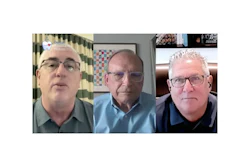
In this episode of The Dental Assistant Nation podcast, produced in partnership with DrBicuspid.com, host Kevin Henry sits down with Hunter -- a dental assistant, educator, and one of the profession's most recognized advocates -- for a conversation about the state of infection control education, what dental assistants should be doing to protect themselves and their patients, and why a specific certification may be the most important career move a dental assistant can make right now.
Hunter's concern starts with how new dental assistants are introduced into the profession. With staffing shortages pushing practices to hire and train simultaneously, the quality of that training depends entirely on the person doing it. If the trainer has incorrect information -- which Hunter says a lot do -- they are simply passing the wrong information forward. The result is a practice where half the team places instrument pouches paper side up and the other half places them paper side down, and neither knows which is correct. The answer, she notes, depends on the autoclave, which is exactly the point.
The solution Hunter champions is the Certified Dental Infection Prevention and Control certification, known as CDIPC, offered by the Dental Assisting National Board (DANB). She was one of the original beta testers. The credential covers not just technique but the growing documentation requirements that practices are legally obligated to maintain -- what to record, how long to keep it, and what to do with it.
For dental assistants who see certification as out of reach financially, Hunter's advice is direct: Ask your employer. Many will reimburse all or part of the cost, especially when the practice recognizes it needs stronger infection control leadership. And whatever the employer contributes, Hunter notes, the credential travels with the individual -- it stays even if the job doesn't.
The conversation also covers the DANB's state-by-state resource tool, which Hunter uses constantly to help dental assistants understand what procedures they can legally perform where they practice.
Tija Hunter can be reached at [email protected]. Additional resources can be accessed at DANB.org and the Association for Dental Safety (myads.org).
Listen to the full conversation below.