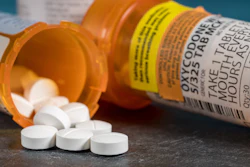
When I recently renewed my dental license, I was mildly surprised to discover I had accumulated 14 hours of opioid continuing education. The U.S. Drug Enforcement Administration now mandates a one-time eight-hour training on the treatment and management of patients with opioid and other substance use disorders; California adds two more for good measure. For those about to tackle the requirement, a small tip from my own fiscal ingenuity: The New England Journal of Medicine offers a free 10.25-hour course that satisfies it and is genuinely well done.
What I did not anticipate was how profoundly those hours would be reframed, not by a lecture, but by a conversation at a homeless shelter where I volunteer. Sitting with recently released, formerly incarcerated patients and listening to them speak candidly about their lives made abstract clinical material suddenly, painfully human. There is a vast difference between reading about substance use disorder and looking someone in the eye while they describe their daily struggle with it.
 Dr. Lisa Chan.
One encounter in particular stayed with me: a 20-year-old man living with schizophrenia and abusing methamphetamines. His addiction to methamphetamines and mental illness contributed to a cycle of assault charges and incarceration.
He had stopped taking his psychiatric medications because of the side effects. I encouraged him to speak with his physician rather than discontinue abruptly, and, yes, I did take the opportunity to educate him gently about the oral consequences of methamphetamine use.
But what struck me most was not what I taught him. It was what he taught me: that behind every statistic and case study is a real person, navigating circumstances most of us will never face.
Meet the new kid on the block: Suzetrigine (Journavx)
A new development may begin to change this conversation. In January 2025, the U.S. Food and Drug Administration approved suzetrigine (with the brand name Journavx).
This is the first new, oral, non-opioid analgesic for moderate to severe acute pain that has been released in over 25 years. It is also the first sodium channel blocker approved in the U.S. for this indication. For dentists managing acute postoperative and procedural pain, this is genuinely meaningful news.
How it works: Stopping pain before it starts
To appreciate what makes suzetrigine novel, it helps to understand what it does not do. Opioids work by binding to receptors in the brain, specifically mu-opioid receptors embedded in the brain's reward circuitry. That is precisely what makes them effective, and precisely what makes them dangerous: They do not just mute pain, they alter mood, induce sedation, and carry addiction potential.
Suzetrigine takes an entirely different approach. Think of the pain pathway as a relay race: The peripheral nerve fires a signal, passes it along, and eventually the brain receives the message and registers pain. Opioids intercept the baton near the finish line in the brain. Suzetrigine, by contrast, blocks the very first hand off, before the signal ever leaves the peripheral nervous system.
It does this by selectively inhibiting a specific sodium channel called Nav1.8, found predominantly in the peripheral pain-sensing neurons of the dorsal root ganglia. When Nav1.8 is blocked, those neurons cannot generate the electrical signal that initiates the pain cascade. No signal, no pain message, no need to involve the brain at all.
Indication and current limitations
Journavx is approved for moderate to severe acute pain in adults. It is not currently indicated for chronic pain management, and long-term safety and efficacy data are not yet available.
Early studies suggest its analgesic potency may be somewhat less potent in certain postoperative settings than hydrocodone-acetaminophen, and all current trials have been of short duration. Real-world post-marketing data will continue to refine our understanding of where it fits best.
Dosing instructions
The loading dose is 100 mg, taken on an empty stomach. Maintenance dosing begins 12 hours later at 50 mg every 12 hours.
The first dose must be taken at least one hour before or two hours after food; clear liquids such as water, apple juice, black coffee, and tea are permitted during this window.
Tablets must be swallowed whole and must not be crushed or chewed. Patients should avoid grapefruit and grapefruit products, as grapefruit can cause unpredictable elevations in plasma levels.
Side effects and oral manifestations
The most commonly reported adverse reactions in clinical trials were pruritus (itching), muscle spasms, elevated creatine, and rash. Milder effects may include nausea, vomiting, constipation, headache, and dizziness.
Of particular note for dental providers: No direct oral manifestations such as xerostomia, dysgeusia, or gingival changes have been identified in the prescribing literature to date.
Drug interactions: What every dentist needs to know
Suzetrigine is metabolized primarily by the liver enzyme CYP3A4, and this is where the drug interaction story gets clinically important for dental prescribers. CYP3A4 is one of the most active metabolic pathways in the body, and a remarkable number of medications either inhibit it (raising suzetrigine levels) or induce it (lowering them). The dental pharmacopeia overlaps with both categories in ways that demand attention.
- Antibiotics: Clarithromycin is contraindicated with suzetrigine, as it significantly elevates drug levels by blocking CYP3A4 metabolism. Erythromycin, a moderate CYP3A inhibitor, requires a dose reduction of Journavx if co-prescribed. Azithromycin and amoxicillin do not carry significant CYP3A interactions and are generally the safer choices for patients on Journavx.
- Antifungals: Strong azole antifungals such as ketoconazole and itraconazole are contraindicated, as they can cause dangerously elevated suzetrigine levels. Fluconazole, which dentists commonly prescribe for oral candidiasis, is a moderate CYP3A inhibitor and can elevate suzetrigine exposure enough to warrant a dose reduction. This is a particularly relevant scenario: a patient already taking Journavx for postoperative pain who then develops an oral fungal infection. Proceed carefully.
- Benzodiazepines and oral sedation: This interaction runs in a different direction. Suzetrigine is a CYP3A inducer, meaning it can lower the plasma concentrations of drugs that are CYP3A substrates, including many benzodiazepines such as midazolam, triazolam, and diazepam. In practical terms: If a patient is taking Journavx and you are planning oral sedation with a benzodiazepine, the drug may not work as expected. Dose adjustment may be required.
- Muscle relaxants: Cyclobenzaprine and other centrally acting muscle relaxants that are CYP3A substrates may similarly show reduced efficacy when co-administered with suzetrigine.
- Carbamazepine: A strong CYP3A inducer, carbamazepine can significantly reduce suzetrigine's plasma levels and blunt its analgesic effect, potentially to the point of inefficacy. This is worth flagging specifically, because carbamazepine is a first-line treatment for trigeminal neuralgia, a condition that lands patients in dental chairs with some regularity.
- Gabapentin: The good news is that gabapentin does not appear to interact with suzetrigine through the CYP3A pathway and is not listed as a contraindicated or cautionary combination. It may be used concurrently, though clinicians should always consider the additive CNS effects of combining any analgesic agents.
Who cannot take Journavx?
Patients with severe hepatic impairment should not take suzetrigine. Those with moderate hepatic impairment may require a reduced dose due to higher systemic drug exposure.
The drug should also be avoided by patients with severe renal impairment, defined as an eGFR (estimated glomerular filtration rate) below 15 mL/min. Safety data in pregnancy and breastfeeding have not yet been established.
Finally, as noted throughout, patients taking strong CYP3A inhibitors, including certain antifungals, macrolide antibiotics, and HIV protease inhibitors, are contraindicated from concurrent use.
What this means for your practice
Innovations like suzetrigine offer a different path -- one that allows us to manage pain effectively without introducing risks. For patients in whom opioids are contraindicated and NSAIDs are either insufficient or unsafe (those on anticoagulants, with gastrointestinal disease, or with renal compromise), this drug fills a real gap. It carries no addiction potential, no respiratory depression risk, and no controlled substance warnings. That alone simplifies the prescribing conversation considerably.
That said, its CYP3A metabolism creates a drug interaction footprint that dentists cannot afford to ignore. Before prescribing or co-prescribing, verify your patient's full medication list carefully, particularly for azole antifungals, clarithromycin, erythromycin, sedatives, and seizure medications. Using a reliable, quick-access resource for understanding patient medication profiles and drug interactions, such as the Digital Drug Handbook, can help you catch interactions that are easy to miss in a busy practice.
For now, suzetrigine is a welcome and long-overdue addition to our toolkit. That evening at the shelter was a reminder that behind every prescription is a person balancing far more than we can see. The patient I met that evening was not thinking about sodium channels or prescribing guidelines. He was navigating side effects, addiction, and a system that had not always worked in his favor. His story is not unique, and it is a reminder that medication decisions do not happen in isolation. As clinicians, choosing these options when appropriate is one small way we can make our care not only safer, but more compassionate.
A word to colleagues who no longer prescribe opioids
To my colleagues who now limit their analgesic prescribing to NSAIDs, please consider this: If an NSAID is not adequately controlling a patient's pain and you are referring them to an urgent care clinic or emergency department for stronger pain medication, a brief statement on your letterhead or prescription pad confirming that the patient is under your care, the nature of their dental condition, and that they are not seeking medications inappropriately can make a meaningful difference in how they are received and treated.
Dr. Lisa Chan has devoted her career to promoting equity in care in both dentistry and her community. She brings over 35 years of diverse experience in dentistry to her role. Chan received her Doctor of Dental Surgery degree from the University of Southern California Herman Ostrow School of Dentistry. Her background includes significant positions such as a hospital dentist at Kaiser Permanente, a private practice dentist in Los Angeles, and a consultant for the California State Dental Board. Chan co-founded MedAssent DDS with the mission of elevating patient safety through integrated care.
The comments and observations expressed herein do not necessarily reflect the opinions of DrBicuspid.com, nor should they be construed as an endorsement or admonishment of any particular idea, vendor, or organization.