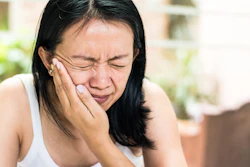
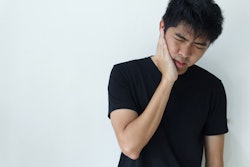
A study of 203 university team-sport athletes found that about two-thirds reported temporomandibular joint (TMJ) symptoms, with anxiety and daily smoking identified as significant contributing factors to this condition.
- Prevalence: Approximately 67% of university athletes reported TMJ symptoms, higher than general and athletic populations.
- Anxiety link: Moderate anxiety increased TMJ symptom risk by 41% in the adjusted model.
- Smoking impact: Daily cigarette use increased TMJ symptom likelihood by 38%.
- Biopsychosocial factors: Psychological distress, sleep disruption, and oral behaviors contribute to TMJ symptoms in athletes.
- Study details: A cross-sectional analysis of 203 team-sport athletes from two private universities using the Fonseca Anamnestic Index.
Adults who actively participate in a team sport while they are undergraduate students frequently report experiencing temporomandibular disorder (TMD) symptoms, according to a study published on September 14 in BMC Oral Health.
Higher symptom prevalence was associated with anxiety and daily cigarette use, the authors wrote.
“Self-reported TMD symptoms were frequent among university athletes,” wrote the authors, led by Consuelo Marroquín-Soto of Scientific University of the South in Peru.
It is not uncommon for young adults to have TMD symptoms, which may be affected by psychosocial and behavioral factors.
To measure the prevalence of self-reported TMD symptoms and associated factors among university athletes, an analytical cross-sectional study was conducted among 203 team sport athletes from two private universities, according to the study.
The Fonseca Anamnestic Index was used to assess TMD symptoms. The Depression Anxiety Stress Scales-21 was used to measure stress and anxiety. Participants self-reported cigarette consumption and other characteristics.
About two-thirds (137 adults) of the university athletes reported having TMD symptoms with mild and moderate symptoms. Compared to general and athletic populations, this prevalence was higher, the authors wrote.
Moderate anxiety was linked to TMD symptoms in the adjusted model (prevalence ratio [PR] = 1.41; 95% confidence interval [CI], 1.05 to 1.89). This result was in sync with the biopsychosocial model of TMD, in which factors like psychological distress, sleep disturbances, pain-related processes, and oral behaviors may mingle, they wrote.
Additionally, smoking cigarettes daily was linked to TMD symptoms (PR = 1.38; 95% CI, 1.13 to 1.68). Past studies have found an association between smoking, painful TMD, and poorer sleep quality. Nicotine exposure, sleep disruption, psychological stress, and other related habits may contribute to this correlation, they wrote.
Nevertheless, this study had limitations. The cross-sectional design not only precludes temporal and causal inference, but selection bias and limited generalizability may have been introduced due to convenience sampling, the authors wrote.
“Despite these limitations, this study contributes evidence from an understudied athletic population and distinguishes self-reported symptoms from clinical diagnosis,” Marroquín-Soto and team wrote.