A poorly fitting crown or implant made by a dental lab may affect whether patients return to dental offices, as well as harm the practice’s overall performance, according to a research report recently published by digital dental lab Dandy.
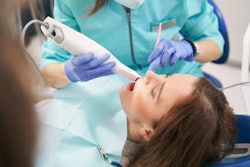
However, many dentists report lowering their remake rates by using intraoral scanners and anticipate that AI will further improve the fit of lab-produced prosthetics, according to the report.
“Amid rising costs, efficiency is crucial for dentists today, but that shouldn’t mean compromising on quality,” Cong Yu, PhD, the head of engineering at Dandy, said in a press release.
For this research, Dandy conducted an online survey of 137 dentists in 2025 across the U.S. to examine the impact of remakes in restorative dentistry. The report explored how prosthetic fit issues affect dentists and their overall practice performance.
According to the survey, 94% of dentists reported ordering a remake. Nearly 1 in 4 (23%) said they had to remake a prosthetic three or more times. The issue was even more pronounced among rapidly growing practices, where 22% reported sending back more than half (50% to 75%) of their prosthetics to the lab.
More than half of dentists (51%) reported spending over an hour each week dealing with remakes. Additionally, 79% reported spending more than 30 minutes chairside addressing issues from an ill-fitting prosthetic for a single patient, while 28% spent over an hour. A majority (58%) of dentists said they have lost or suspected losing patients due to poorly fitting restorations, rising to 74% among those with significant recent practice growth.
The report also found that financial pressures appear to be increasing among clinicians, with 97% reporting higher costs over the past year, particularly for supplies (80%), personnel (64%), and administrative expenses (56%). Dentists attributed remakes primarily to workflow issues such as inaccurate impressions or scans (34%) and lab fabrication errors (31%), and many are optimistic that technology, like intraoral scanners and AI, may reduce these problems.
“Technology is improving every step of the restoration process, from scan to lab to installation, making it economically possible to deliver high-quality restorations the first time around, every time,” Yu said.