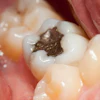
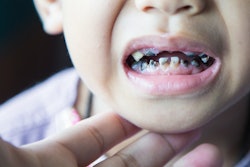
Higher levels of parent-reported caries (PRC) in preschool-age children may be linked to specific environmental exposures and differences in the oral microbiome, according to a study recently published in Community Dentistry and Oral Epidemiology.
Furthermore, delayed weaning and exposure to household pets were the factors most consistently linked to PRC, the authors wrote.
“PRC was associated with several early childhood factors consistent with an ecological microbiome centered framework,” wrote the authors, led by Áine M. Lennon of the University Hospital Regensburg in Germany (Community Dent Oral Epidemiol, June 8, 2026).
The questionnaire-based study aimed to investigate PRC in children ages 2 to 5 and explore factors that may influence caries occurrence using repeated cross-sectional analyses. A total of 3,196 newborns and their families from Regensburg and surrounding rural areas were enrolled between 2015 and 2020. The analysis included families who completed caries questionnaires at ages 2, 3, 4, or 5, with sample sizes of 1,296, 1,276, 993, and 768 participants, respectively, they wrote.
Researchers examined parental, child, and environmental factors, including socioeconomic status, oral hygiene habits, feeding practices, birth characteristics, diet, sibling caries, and exposure to pets or other children. A subgroup analysis was also conducted among children who had visited a dentist within the previous year, comprising 735 participants at age 2 and 951, 891, and 662 participants at ages 3, 4, and 5 years old, respectively.
PRC increased with age, rising from 0.4% at age 2 to 1.3%, 2.7%, and 4.4% at ages 3, 4, and 5, respectively; corresponding rates in the dental-visit subgroup were 0.4%, 1.6%, 3.3%, and 4.7%. At age 2, PRC was associated with maternal migration background, lower paternal education and unemployment, late weaning, infrequent maternal dental visits, and pet exposure, with similar findings observed in the subgroup, except for paternal education, they wrote.
At age 3, significant factors included single-parent status, poorer maternal physical health, late weaning, sibling caries, and pet contact, while infrequent maternal dental check-ups were an additional factor in the subgroup. At age 4, early tooth eruption and mouth breathing at age 1 were associated with PRC, and late weaning was also significant in the subgroup. By age 5, PRC was linked to poor diet and toothbrushing habits at age 2, younger maternal age, low body mass index at age 1, infrequent maternal dental visits, pet contact, and pacifier hygiene, with paternal employment emerging as an additional factor in the subgroup.
However, the study had limitations. Further research is needed to clarify the role of newly identified environmental factors, especially pet exposure, before they can be incorporated into caries prevention recommendations, the authors added.
“Weaning later than 24 months and contact with pets were the factors most consistently associated with PRC across all ages,” Lennon and colleagues concluded.