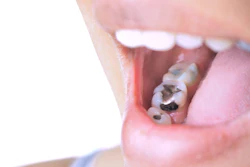
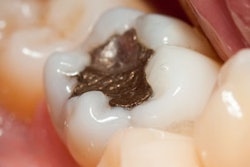
A new study published in the Journal of the National Medical Association found that children of color, particularly those under age 5, are more likely to receive dental amalgam fillings and have higher levels of mercury in their blood and urine compared to white children, raising concerns about developmental health risks during critical periods of nervous system growth.
- Mexican American children ages 1 to 5 had a fourfold higher prevalence of amalgam restorations and 6.17 times more detectable blood inorganic mercury compared to white children in the same age group.
- Children with amalgam fillings had a 25-fold higher prevalence of detectable blood inorganic mercury, indicating a direct correlation between fillings and mercury exposure.
- Asian children ages 3 to 19 showed the highest detectable urinary mercury levels at 42.24% compared to 17.97% in white children.
- The U.S. is taking action: Medicare and Medicaid are phasing out mercury-containing fillings, and the Indian Health Service will eliminate amalgam by 2027.
- About 67 million Americans ages 2 and older may exceed EPA and ATSDR safety standards for mercury exposure due to existing amalgam restorations.
The use of dental fillings with amalgam is declining broadly, but kids of color, specifically those under age 5, appear to be the most likely to receive them. The U.S. study was published in the Journal of the National Medical Association.
Furthermore, greater inorganic mercury was detected in the blood and urine of children of color, the authors wrote.
“This may increase the health risks in children, especially in children below the age of 6, who may be more susceptible to the adverse health effects of mercury; for example, their nervous systems are developing quickly and continue to develop throughout late adolescence,” wrote the authors, led by Kelli Williams, PhD, MPH, of the University of Pennsylvania in Philadelphia (J Natl Med Assoc, September 29, 2026).
Due to dental restorations with amalgam, about 67 million individuals in the U.S. age 2 and older may exceed U.S. Environmental Protection Agency and U.S. Agency for Toxic Substances and Disease Registry’s safety standards for mercury exposure. In recent years, the U.S. has recognized its potential and this year made moves to curb the use of amalgam fillings.
In June, the U.S. Centers for Medicare and Medicaid Services sent a notification to the directors of state Medicaid programs urging them to phase out mercury-containing fillings by limiting or ending coverage for dental amalgam.
In February, the U.S. Indian Health Service, an agency within the U.S. Department of Health and Human Services, announced it would stop using mercury-containing amalgam fillings by 2027.
Since there is little research regarding the relationship between amalgam use and mercury levels in kids under the age of 5, a study was conducted using data from the 2015-2018 U.S. National Health and Nutrition Examination Survey (NHANES) Survey. Data, including a dental exam, blood inorganic mercury (Hg), and urinary total Hg concentrations, for 6,701 individuals between the ages of 1 and 19 were analyzed.
The analysis revealed a fourfold prevalence of amalgam restorations (95% confidence interval [CI]: 1.74 to 11.30) and detectable blood inorganic Hg (11.93% vs. 1.63%; adjusted relative risk (adj.RR): 6.17, 95% CI: 1.85 to 20.60) in Mexican American children ages 1 to 5 five compared to white children in the same age bracket. In this group, kids with amalgam fillings had a 25-fold higher prevalence of detectable blood inorganic Hg (95% CI: 11.74 to 52.89), the authors wrote.
Additionally, kids ages 3 to 19 had an approximately 24% detectable urinary Hg, with the highest levels in Asian children (42.24% vs. 17.97% white). Black children had a greater risk for detectable Hg levels (adjRR: 1.65, 95% CI: 1.29 to 2.12), they wrote.
The authors of the study did not identify any limitations.
“(The) most vulnerable children are being left behind as the rest of the population are being protected by recommendations from the FDA (U.S. Food and Drug Administration) and WHO (World Health Organization) to limit use of amalgam and reduce human exposure to mercury,” Williams and team wrote.