Dental practices can help young patients develop healthcare independence by gradually shifting responsibility from parents to children through direct communication and engagement, preparing them for the legal and practical changes that occur at age 18 when they gain control of their medical decisions.
- Parents may schedule dental appointments for adult children well into their 20s and 30s, missing opportunities to teach healthcare independence.
- At age 18, patients gain legal authority over their healthcare decisions and HIPAA privacy protections, creating a sudden transition if they've never practiced.
- Dental offices can build patient engagement by speaking directly to young patients, asking them questions first, and explaining treatment to them rather than parents.
- Teaching patients to communicate symptoms, ask questions, and take ownership is different from teaching oral hygiene and requires intentional practice.
After more than 20 years as a dentist, I see something in my practice more often than you might expect: Parents calling to make dental appointments for their adult children. I have seen parents call for children well into their 20s and, dare I say, even their 30s.
Whenever it happens, I wonder, at what point do we hand these responsibilities over to our kids?
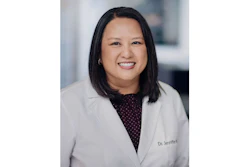
 Dr. Jennifer You.
Then I caught myself doing exactly what I was questioning. My 13-year-old son broke a bracket on his braces after eating something he knew he wasn’t supposed to eat. I paused and told myself, "I’m not going to 'fix' this for you."
Making the call would have taken 30 seconds. Instead, I had him get on the phone with me to call the orthodontist. I wasn’t throwing him to the wolves; I was right there if he needed me. But he knew his schedule, could answer the questions, and could help determine when the bracket would get fixed.
It was a small parenting moment, but it made me think about something bigger, not just as a mother but as a dentist and practice owner. Are dental practices doing enough to help young patients become active participants in their own healthcare?
Are we making it too easy not to participate?
In a typical pediatric or adolescent dental visit, a parent schedules the appointment and checks the patient in. We ask why the patient is there and the parent answers. We discuss treatment and our eyes naturally move toward the parent.
None of this is wrong. Parental involvement is often necessary, and it is efficient. But efficiency can cause us to overlook the person sitting in the chair.
In my own practice, if a parent calls to schedule an appointment for a 22-year-old, our team simply schedules it. But perhaps there is another layer to good patient care: gradually helping young patients learn how to interact with the healthcare system themselves.
The dental office may be a good place to practice independence
Dental offices give young people repeated, low-stakes opportunities to develop skills they need throughout the healthcare system and beyond. We can start by talking directly to them: “What brings you in today?” and “What questions do you have for me?”
If Mom immediately answers, we can politely redirect: “I’d love to hear what Becky thinks first.” It takes only a few seconds, but it changes the dynamics in the room. The child or teenager is no longer simply being brought to the dentist. They are actively participating in their own dental care.
As they get older, they can know their medications and allergies, understand why we recommend treatment, and eventually schedule their own appointments. None of this requires excluding parents; they can remain involved while responsibility is gradually transferred to the child.
What happens when the patient turns 18?
There is also a practical reason to start early. At 18, the relationship among the practice, the patient, and the parent changes. Until then, Mom may have scheduled appointments, completed paperwork, and discussed treatment. Then the child reaches the age of majority and, in most circumstances, becomes the person with the legal authority to make healthcare decisions and control access to protected health information.
HIPAA protects that adult patient’s privacy. A parent does not automatically retain unrestricted access to an adult child’s dental information simply because he or she is still “Mom.” The patient may need to give permission before the team can share protected health information with a parent.
That can be quite a transition if every interaction has gone through the parent for 18 years. We shouldn’t be surprised when an 18-year-old doesn’t suddenly know how to navigate the system if we have never given them the chance to practice. Taking a more active role should feel like the next step in a gradual process, not something that happened overnight.
We may have spent years teaching them how to brush, floss, and wear their retainers without teaching them how to actually be a patient. Those are different skills. Being an engaged healthcare consumer means communicating symptoms, asking questions, making appointments, and taking ownership of follow-through.
This isn’t about judging parents
There are plenty of legitimate reasons why a parent may remain heavily involved in an adult child’s healthcare, from developmental differences and disabilities to medical complexities and family dynamics. And sometimes a 25-year-old is busy at work, and Mom simply offered to make the appointment.
This isn’t about picking an arbitrary age when parents should stop helping, and it isn’t the dental office’s job to tell families how to parent. It’s about looking at our systems and asking whether we are engaging young patients as much as we could or should. Do we speak to them directly? Do we let them answer before looking to their parents? Do we explain treatment to them rather than to the adult accompanying them? Those are small changes, but over years of care, they add up.
Small steps toward ownership
My son’s broken bracket was hardly a major life event, which made it a good learning opportunity. The stakes were low, and I was sitting beside him. He got to practice explaining a problem and taking some responsibility for solving it. It also forced me to recognize how easy it is to do something for a child simply because I can do it faster. Dental practices can fall into the same pattern.
Sometimes the most efficient thing is to let Mom answer. But every once in a while, we should pause and make sure we’re also talking to the future adult sitting in our chair.
Our job isn’t only to help young patients develop healthy teeth. We can also help them learn to take ownership of their health.
Dr. Jennifer You is a general dentist with more than 20 years of clinical experience and owner of Lumos Dental in New Haven, CT. She graduated from the University of Alabama at Birmingham School of Dentistry and completed her general practice residency at St. Francis Hospital in Hartford. You embraces evolving techniques and technologies while believing that exceptional dentistry is built on personal connection, trust, and lasting relationships with her patients. She can be reached at [email protected].
The comments and observations expressed herein do not necessarily reflect the opinions of DrBicuspid.com, nor should they be construed as an endorsement or admonishment of any particular idea, vendor, or organization.