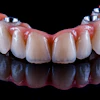
Taking nonsteroidal anti-inflammatory drugs (NSAIDs) may affect osseointegration, increasing the risk of peri-implantitis and dental implant failure. This letter to the editor was published on April 2 in Advances in Oral and Maxillofacial Surgery.
There may be no clear evidence connecting NSAID usage to implant failure, but some research has shown that using NSAIDs, specifically selective COX-2 inhibitors, in the phase of fracture healing revealed they may inhibit bone formation, the authors wrote.
“Alternate strategies such as short term NSAID use at lowest effective dose should be considered to avoid the potential risks,” wrote the authors, led by Dr. Muhammad Sarmad Masaud of the Institute of Dentistry at the Combined Military Hospital in Pakistan.
Beyond osseointegration and bone repair concerns, NSAIDs may raise the risk of peri-implantitis. In one retrospective study published in 2022 that included 270 patients with 1,118 dental implants, the mean survival time of dental implants decreased by 2.7 years in participants who used anti-inflammatory medications. Furthermore, this indicated a significant (p = .04) impact on peri-implantitis compared to those who did not take the medications, the authors wrote.
The authors of the retrospective study concluded that there may be a relationship between NSAID use and the occurrence of peri-implantitis. This possible correlation was not found with any other types of drugs, including proton pump inhibitors, they wrote.
Until more clinical trials are conducted in the future, dentists should prioritize evidence-based prescribing practices to maintain the long-term success of implants, they wrote.
“In conclusion, dentists must practice a more cautious approach to post-implant pain management considering the mounting evidence that NSAID use is associated with compromised implant outcomes,” Masaud and colleagues wrote.