The Tusk 2026 Dental M&A Report provides a clear look at how 2025 played out and what it meant for valuations, deal terms, and buyer behavior. It also includes Tusk's dental service organization (DSO) survey results, which highlight what DSOs are prioritizing and how they're approaching 2026.
Overall, the report gives practice owners a factual snapshot of where the market stands and what will matter most in the year ahead. Below are three key takeaways.
Fewer dentists are buying practices, breaking the old 'associate buy-in' plan.
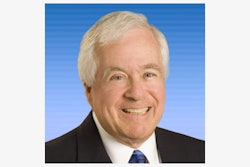
 Ryan Mingus.
For a long time, the standard exit plan for dental practice owners was simple: Hire a strong associate, let them grow into the role, and eventually have them buy the practice. Today, that traditional path is becoming far less dependable.
Dentist ownership in private practice has steadily fallen from 84.7% in 2005 to 72.5% in 2023, according to the ADA Health Policy Institute's 2025 report. That drop is most noticeable among dentists 44 and under and reflects a broader reality: The barriers to ownership are higher than they used to be.
Several factors likely contribute. Dental school costs have risen, leaving younger dentists with more debt and pushing back the point at which they're financially ready to buy. Higher borrowing costs compound that challenge, meaning even motivated associates may need more time for the numbers to make sense.
As a result, sellers are increasingly running into one of two situations:
- They can't recruit the right associate in time, or
- They have an associate who isn't prepared -- financially or strategically -- to buy on the seller's timeline.
Macroeconomic volatility and tax policy shifts made buyers more disciplined.
Last year presented a challenging macro environment. Inflation stayed elevated at 2.7%, according to the U.S. Bureau of Labor Statistics, and interest rates remained meaningfully higher than pre-2022 levels, according to the ADA Health Policy Institute. As a result, lenders and buyers became more conservative, focusing on practices with stronger margins and clearer growth visibility.
Tariff-driven cost increases hit with a delay, creating mid-process margin pressure, even when historical results looked strong. With rates and costs harder to predict, private equity groups and DSOs -- which favor stable and predictable conditions -- pulled back on mergers and acquisitions and became more disciplined on both valuations and deal terms.
The One Big Beautiful Bill Act added another layer of complexity, affecting the wealth-planning side of a sale, including reduced health care-related deductions, lower Medicare surtax thresholds, and increased scrutiny of pass-through and trust structures.
A wave of upcoming DSO recaps is creating a seller-favorable market.
With conditions more stable than they were in 2025 and recap timelines tightening, a powerful acquisition catalyst is emerging heading into 2026. In a survey of leading DSOs nationwide, 78% reported recapitalization timelines inside a three-year window, creating real urgency to acquire high-quality EBITDA (earnings before interest, taxes, depreciation, and amortization) ahead of those events.
A recapitalization, commonly referred to as a "recap," occurs when a DSO's private equity sponsor sells all or part of its stake to a new investor, typically at a higher valuation. It generates liquidity and resets the platform for the next growth cycle. Recaps happen because DSOs are built on consolidation, scale, and eventual exit opportunities.
From the DSO perspective, recaps reward growth and can bring in fresh capital to accelerate acquisitions. From the dentist's perspective, they're attractive because the rollover equity can create a "second bite at the apple," allowing doctors to participate in upside when the DSO recapitalizes.
Recent recap activity across large private equity-backed platforms has reinforced this model, and DSOs approaching recap windows often pursue acquisitions more aggressively to maximize EBITDA scale beforehand.
The result is a classic high-demand, low-supply environment, which creates favorable conditions for premium sellers to command stronger valuations and better deal terms.
Taken together, these takeaways point to a market that can be very attractive for well-positioned practice owners. The low-supply, high-demand dynamic is being reinforced by DSO acquisition urgency as recap timelines tighten.
For sellers, the advantage goes to those who are prepared and can clearly quantify risk and performance drivers, including provider stability and retention; a clean and defensible financial story; and a consistent trajectory in collections, margins, and growth.
Access the 2026 Dental M&A Report
Ryan Mingus is managing director of Tusk Practice Sales and has more than 12 years of sales and leadership experience in the dental and healthcare industry, most recently as the business development director for strategy and optimization at Align Technology Inc. Mingus earned his bachelor's degree in economics and business from the Virginia Military Institute and his Master of Business Administration from the University of San Diego. He also held the rank of captain in the U.S. Army National Guard.
The comments and observations expressed herein do not necessarily reflect the opinions of DrBicuspid.com, nor should they be construed as an endorsement or admonishment of any particular idea, vendor, or organization.