Dentists should write focused dental evaluations rather than vague clearances for surgical patients, providing surgeons with specific infection status, treatment details, and healing timelines while communicating directly by phone to ensure surgery stays on schedule and doesn't delay critical care.
- Use "evaluation" instead of "clearance." No dentist can guarantee that no oral complications will occur during surgery.
- Provide surgeons with essential information. Active infections with tooth numbers, treatment dates, and healing time are needed; findings that can safely wait; and antibiotic prophylaxis recommendations.
- Avoid unnecessary details. Surgeons don't need CDT codes, insurance information, full periodontal charting, or defensive language.
- Call the surgeon directly before starting treatment to ensure timelines align and surgery dates can be adjusted if needed.
- Complete evaluations within days of request, especially for extractions before radiation or valve surgery that require healing time.
A head and neck cancer surgeon called me for a consult on a 78-year-old woman with a history of squamous cell carcinoma. The woman had recently undergone resection of the mandible, tongue, and floor of the mouth, with reconstruction using a left fibula free flap, along with a complex vestibuloplasty, a tracheotomy, and gastrostomy tube placement.
The surgeon wanted her “cleared” for the start of radiation. Her dentist of record had already sent the woman to at least a handful of other dentists. None of them would clear her, and none would treat her. Because the cancer was aggressive, radiation oncology’s protocol called for starting as soon as possible.
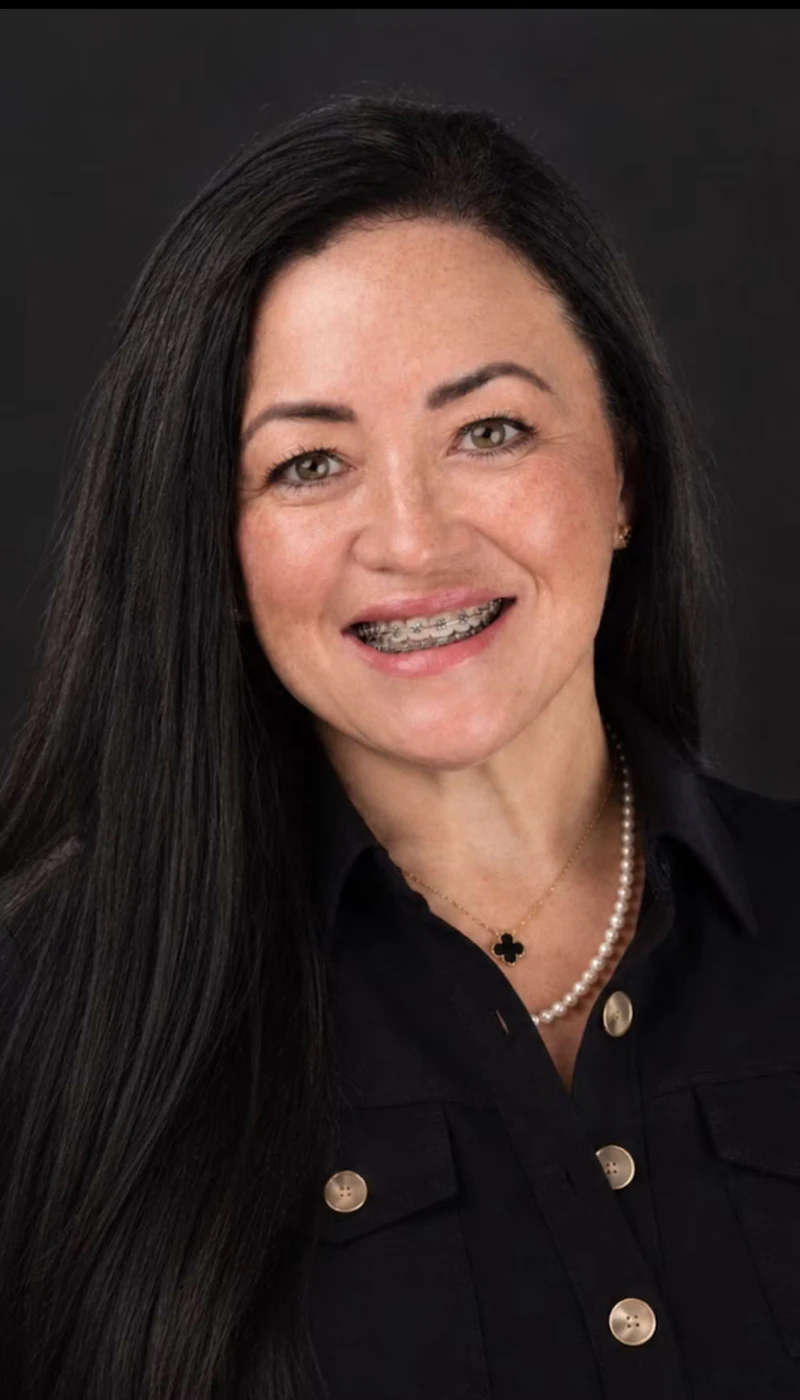 Dr. Anna K. McGuire.
The day I received the consult, I saw the patient. We scheduled her as an add-on surgery for full-mouth extractions of all remaining dentition, alveoloplasty, and bone grafting to preserve remaining bone for a future removable prosthesis. Radiation started two weeks after the extractions.
Surgeons and their teams will often call to give you a patient’s background and ask you to join the team.
When one of your patients of record comes in asking to be cleared dentally while they are being medically optimized, don’t hesitate to call the surgeon yourself, doctor to doctor, and follow the call with a written consult for the record.
For these patients, time affects survival and quality of life. Don’t delay their surgery or treatment if you can avoid it.
Nearly every service line in the hospital requests dental consults, most often before:
- Cardiac valve surgery, left ventricular assist device, and cardiac device placement
- Solid organ and stem cell transplant
- Head and neck radiation
- Head and neck chemotherapy
- Starting antiresorptive or antiangiogenic therapy
- Joint replacement. Orthopedic surgeons often request an evaluation, although the ADA’s 2015 guideline does not recommend routine antibiotic prophylaxis before dental procedures for most patients with prosthetic joints
Vascular surgery and infectious disease also consult dentists, often together. Infectious disease may be following a patient on any of these services and will request a dental consult when cultures point to an oral source.
“Clearance” may be the wrong word. “Evaluation” fits better. The dentist evaluates and reports findings. The surgeon and anesthesia team then decide whether to proceed with or without dental treatment or to keep the patient on antibiotics through surgery or treatment until the dental work can be completed.
Writing “dentally cleared for surgery” implies there is no chance a poor surgical outcome could originate in the mouth. No dentist can promise that. Here is what the medical team needs from the dentist:
- Active sources of infection: present or absent, with tooth numbers
- What was treated, on what date, and how much healing time remains
- What was found but can safely wait and why
- Bleeding considerations, if the patient is anticoagulated
- Whether antibiotic prophylaxis is indicated for future dental care based on the current American Heart Association guidance
- The dentist’s direct phone number and whether the dentist can be reached by secure text
The medical team does not need:
- CDT codes or insurance details
- Full periodontal charting
- Defensive language that hedges every finding
- A three-page narrative
In the outpatient setting, complete the evaluation within days of the request. Extractions before radiation or valve surgery need healing time built into the surgical schedule, particularly for patients on anticoagulants. Call the physician after the evaluation and before you start treatment so the team can move the surgical date if your treatment will affect it.
Your patient is counting on your expertise to make decisions that may prolong their life. Time is what they are trying to hold onto, and that requires you to move quickly. Treat each of these patients as you would a member of your own family. You would be frustrated and worried if your mother’s dentist evaluated her or wrote a treatment plan and never told her surgeon.
Remember that you are part of the medical team. Be confident, and don’t sell yourself short. Help save a life.
Editor's note: References available upon request. Additionally, the author provided an example of her own dental evaluation form.
Dr. Anna K. McGuire is a general dentist with nearly 30 years’ experience who maintains a hospital-based surgical practice at Miami Valley Hospital in Dayton, OH. She treats admitted patients from cardiothoracic surgery, neurosurgery, trauma, obstetrics, and the emergency department. A Tufts University School of Dental Medicine graduate, she completed a general practice residency at Miami Valley, where she served as chief resident. She is also a partner and senior dentist at Stonecreek Dental Centerville.
The comments and observations expressed herein do not necessarily reflect the opinions of DrBicuspid.com, nor should they be construed as an endorsement or admonishment of any particular idea, vendor, or organization.