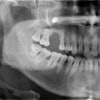
Self-reported gum disease may be linked to a higher risk of several cancers, including colorectal, pancreatic, gastric, bladder, and lung, according to a review recently published in the International Dental Journal.
Further research should examine how periodontal disease (PD)-related changes in oral bacteria may contribute to cancer development, the authors wrote.
“PD was found to have positive associations with colorectal, gastric, bladder, pancreatic, esophageal, breast, prostate, head and neck, and liver cancers,” wrote the study’s lead author, Chengwei Duan of the Chinese Academy of Medical Sciences and Peking Union Medical College (Int Dent J, March 25, 2026, Vol. 76:3, 109527).
This review explored the link between PD and specific cancers through a systematic review and meta-analysis. Researchers identified 8,816 articles in electronic databases, of which 26 cohort studies met the inclusion criteria. The final analysis included approximately 16 million participants and 53,884 cancer cases, the research team wrote.
Follow-up periods varied by cancer type, ranging from 10 years for head and neck cancer to 26.5 years for prostate cancer. Most studies focused on colorectal cancer, with additional large-scale research on pancreatic cancer in the U.S., bladder and colorectal cancers in South Korea, and long-term pancreatic cancer studies in Sweden.
PD was positively associated with multiple cancers, including colorectal, gastric, bladder, pancreatic, esophageal, breast, prostate, head and neck, and liver cancers. Overall, significant associations were observed for pancreatic (rate ratio [RR] = 1.26; 95% confidence interval [CI]: 1.03 to 1.52), bladder (RR = 1.21; 95% CI: 1.11 to 1.32), esophageal (RR = 1.34; 95% CI: 1.04 to 1.71), prostate (RR = 1.17; 95% CI: 1.07 to 1.29), colorectal (RR = 1.16; 95% CI: 1.01 to 1.34), gastric (RR = 1.16; 95% CI: 1.08 to 1.25), and breast cancers (RR = 1.11; 95% CI: 1.03 to 1.17), the Duan team wrote.
In studies using self-reported PD, increased risks were found for colorectal (RR = 1.28), gastric (RR = 1.34), lung (RR = 1.19), bladder (RR = 1.26), and pancreatic cancers (RR = 1.42). Furthermore, studies using clinically assessed PD showed a significant association only with gastric cancer (RR = 1.11; 95% CI: 1.04 to 1.16).
The study had limitations. Despite the overall large sample size, some cancer types were still underrepresented due to a limited number of studies and participants, the authors added.
“Further studies exploring the associations between PD-related microbial alterations and cancer development, to provide novel insights into the mechanistic links between oral health and cancer, is warranted,” Duan and colleagues concluded.