Apple Maps and ChatGPT have opened new advertising opportunities for dental practices with lower costs and less competition than Google. Early adoption gives practices an advantage through lower click costs, platform launch incentives, and the chance to learn these channels before they become crowded, making them valuable additions to any dental marketing strategy.
- Apple Maps ads place your practice in the map app at the moment patients choose a dentist, with sponsored results appearing at the top of search results and suggested places sections.
- ChatGPT ads match patients based on conversational intent and full context (budget, insurance, schedule, anxiety levels) rather than just keywords, showing results below ChatGPT's answers.
- Early adopter benefits include lower auction costs, fewer competing practices, platform launch incentives (Apple offered 15% monthly credits up to $1,000), and time to learn before competition increases.
- Preparation steps include claiming your Apple Business listing, researching how ChatGPT describes your practice, and optimizing your website landing pages for both patient reviews and platform approval.
In August 2026, Apple quietly started selling ads in Apple Maps. This summer, OpenAI updated its ChatGPT ad policies, and dental services are among the healthcare categories that can apply to advertise on ChatGPT.
Most practices haven’t noticed either change yet.
For the last decade, paid advertising for dental practices has mostly meant two places: Google and Meta. Both still matter, and we’re not suggesting anyone turn them off. But patients no longer look for a dentist only on Google. They ask ChatGPT. They open the Maps app on their iPhones.
Here’s why getting in early matters and what each platform offers.
Why getting in early matters
 Matthew McBride.
New advertising platforms tend to follow the same arc. Early on, with few advertisers, costs stay low while the platform builds its base. It’s basic supply and demand: Lower demand means cheaper clicks. As more businesses pile in, auctions get crowded, and every click costs more.
We’ve seen it on Google and on Facebook. Early adopters learned the platform while it was cheap and late arrivals paid to catch up.
Being early usually means:
- Fewer competing practices in your area
- Lower costs while the auctions are still thin
- Time to learn what works before everyone else shows up
- Launch incentives from the platforms themselves
That last one is real. Apple gave businesses that signed up for Maps ads before October 11 a 15% monthly credit on their spend for the first year, up to $1,000 a month. Platforms reward the businesses that show up first.
Apple Maps ads: The most valuable real estate in local search
Ask anyone who manages local ads where the best inventory is, and you’ll hear the same answer: the map. On Google, map listings are where patients go once they’re ready to choose a practice. They check who’s close, who’s open, and who has good reviews. Then they call or get directions.
Apple Maps ads put you in that same moment; that’s why we consider it some of the highest-quality ad inventory a dental practice can buy right now.
Here’s how it works:
- One sponsored result can appear at the top of Maps search results, so you don’t have to compete with a row of other ads.
- Ads can also appear at the top of Suggested Places, a new section that recommends nearby businesses.
- Your pin gets a blue halo, and the ad carries a clear “Ad” label.
- You pay when someone taps, not when they scroll past.
Everything starts with your Apple Business listing. You claim your location, add photos and hours, and build campaigns from there. Our marketing manager, Nathan, covered the setup in more detail for DrBicuspid in August.
One caveat: Apple reviews ads for medical services case by case, so expect a review step before your ads go live.
ChatGPT ads: Matching patients by what they actually mean
On Google, you bid on keywords. A patient types “dentist near me,” and you guess at the rest.
ChatGPT works differently. Patients describe their whole situation in plain language: their budget, insurance, schedule, and even how nervous they are. ChatGPT ads match that conversational intent, not just a few keywords. In our view, it’s the best system any ad platform has built yet for figuring out what someone actually wants.
Think about questions like these:
- “How much do dental implants cost without insurance?”
- “Is Invisalign worth it for an adult?”
- “Which dentists near me are open on Saturdays?”
Ads show up below ChatGPT’s answer, labeled “Sponsored,” and OpenAI says they don’t influence the answer itself. I covered the format in more detail in my April piece for DrBicuspid.
How to test both platforms without overcommitting
Running two brand-new ad platforms usually means two setups, two learning curves, and two sets of results to track. For most practices, it’s hard to justify a big budget on channels that are still proving themselves.
One way to keep it manageable is to treat both platforms as a single test instead of two separate campaigns. Set one combined monthly budget, split it evenly at first, and let the results decide where the money goes. If Apple Maps is bringing in more new patients, move more of the budget there. If ChatGPT is, move the budget there instead.
A few things make that kind of test work:
- Measure new patients, not clicks. A tap on a map pin and a click on a ChatGPT ad aren’t the same thing. Compare the platforms on calls, booked appointments, and cost per new patient.
- Set up tracking before you launch. Call tracking and tagged website links let you tell which platform each new patient came from. Without them, you’re guessing.
- Give it enough time. Small budgets collect data slowly. Plan on at least 90 days before deciding a platform isn’t working.
- Keep the budget modest. A combined $500 to $800 a month in ad spend is a reasonable starting point for a single-location practice.
Don’t be surprised if the two platforms perform differently for different services. Apple Maps reaches patients when they’re choosing a nearby practice, so it may do better for general and emergency visits.
ChatGPT reaches patients while they’re still researching, which may make it a better fit for implants, Invisalign, and other treatments people think over longer. That’s another reason to run both before picking a favorite.
What your practice can do now
Even if you’re not ready to advertise yet, a few steps will put you in a better spot:
- Claim your Apple Business listing and make sure your hours, photos, phone number, and website are accurate. It’s free, and it’s the foundation for Maps ads.
- Ask ChatGPT the questions your patients ask, and see how it describes your practice and your competitors.
- Look at your website the way a reviewer would. OpenAI reviews landing pages before approving ads, and patients do, too.
For dental practices that want to get ahead
Google and Meta aren’t going anywhere. But Apple Maps and ChatGPT are opening new ways for dental practices to connect with patients, and practices that explore these opportunities now may have an advantage as competition grows.
At Great Dental Websites, we’re already helping practices navigate these emerging platforms. Learn more about our Emerging Markets Ads service and how it can help your practice reach patients in new ways.
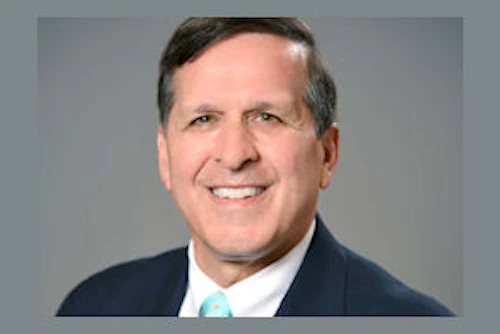
Matthew McBride is the paid advertising manager at Great Dental Websites. His background spans large-budget search ads and local social media marketing.
The comments and observations expressed herein do not necessarily reflect the opinions of DrBicuspid.com, nor should they be construed as an endorsement or admonishment of any particular idea, vendor, or organization.