A new study published in PNAS Nexus explains that dental implant infections resist antibiotics because titanium particles released from corroded implants attract bacterial toxins and hijack the immune system, preventing white blood cells from clearing the infection. Researchers identified the TRPC1 calcium channel as a potential drug target to restore immune function and treat peri-implantitis without relying on antibiotics alone.
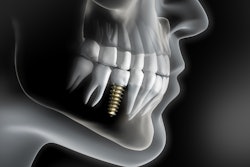
- Peri-implantitis affects 10% to 20% of dental implant patients and causes chronic inflammation, bone loss, and antibiotic-resistant infections.
- Acidic biofilms corrode titanium implants, releasing microscopic metal particles that attract bacterial toxins and disable macrophages (immune cells).
- Titanium particles reduce bacterial clearance by over 50% by preventing macrophages from destroying pathogens and triggering chronic inflammation.
- The TRPC1 calcium channel in macrophages drives the inflammatory response; blocking it restores immune function in lab studies.
- Prevention through nonabrasive professional cleanings is the current best practice, while targeted immune-modulating drugs are being tested as future treatments.
A recently published study in PNAS Nexus explains why peri-implantitis resists antibiotics, further laying out how the dental implant material itself contributes to this problem and other complications such as jawbone loss and impaired immune function, according to an October 23 ScienceDaily article.
It’s a chronic problem affecting an estimated 10% to 20% of dental implant patients: peri-implantitis, inflammation surrounding the site of a dental implant that can ultimately lead to bone loss. For many patients, taking antibiotics does not effectively control the infection.
Prior work done by the study’s senior author, Dr. Georgios Kotsakis, MS, the assistant dean for clinical research at Rutgers School of Dental Medicine, showed that bacteria that naturally accumulate on dental implants create acidic biofilms that damage the titanium post. The reaction corrodes the titanium, unleashing microscopic pieces of metal into the surrounding gum tissue, contributing to peri-implantitis.
Cleaning can add to the problem. Until about a decade ago, many clinicians and dental hygienists cleaned implants with the same metal scalers used on natural teeth, which could scratch the titanium and release more particles. Today, nonabrasive methods designed to protect implant surfaces are standard practice, and regular professional cleanings remain the best protection against peri-implantitis.
Once these microscopic pieces of metal are released into the gums, "these particles are little magnets that attract the bacterial toxin, and they hijack the immune system, preventing it from clearing bacteria," said Kotsakis. "You have a perfect storm that defies antibiotics."
Specifically, the particles attract lipopolysaccharide (LPS), a large molecule contained in the outer membrane of Gram-negative bacteria. The researchers found that LPS covers the microscopic metal pieces.
Macrophages, white blood cells that normally engulf and destroy pathogens, engulf these particles but can’t digest titanium. They produce inflammatory-signaling molecules, including interleukin-1 beta. The result is chronic inflammation, which erodes the bone surrounding the implant. Additionally, other lab experiments showed that macrophages exposed to titanium particles consumed fewer than half as many bacteria as immune cells that had never encountered the metal particles.
Using human tissue samples and immune cells and experiments in mice, the scientists pinpointed the inflammatory response as TRPC1, a calcium channel in macrophages. Using genetically engineered lacking TRPC1, exposure to titanium particles and bacteria resulted in smaller abscesses, fewer inflammatory signaling molecules, and the mice’s immune cells regained the ability to clear bacteria, the researchers said.
The results suggest a possible approach to treating peri-implantitis -- targeting the immune response rather than using antibiotics alone. Kotsakis and the researchers are testing potential drugs that act on the same pathway in human cells. Any such drug would need to be tested in clinical trials before being used in patients.
Read the full study.