Clinical takeaways
- GLP-1 medications are linked to xerostomia and halitosis, driven by dehydration and altered salivary chemistry, though not an officially listed side effect but one increasingly reported by patients.
- Patients self-treating with gum and mints are masking a symptom that warrants evaluation for dry mouth, elevated caries, and periodontal concerns.
- As GLP-1 prescriptions continue to rise, clinicians should consider proactive xerostomia screening and potentially shorter preventive care intervals for these individuals.
Hershey reported higher sales of its mints and gum, owing to the public's growing use of GLP-1 weight reducing drugs, according to a recent article published on CNBC.
“Retail sales for our third-largest confection brand, Ice Breakers, increased over 8% in the quarter,” CEO Kirk Tanner said in prerecorded remarks ahead of the company’s earnings call. “We’ve also seen strong demand for gum and mints, as the category benefits from functional snacking tailwinds, including GLP-1 adoption,” Tanner added.
It's not just gum or mints. Lindt said U.S. sales of its chocolate rose faster among younger consumers taking GLP-1 drugs versus those who were not.
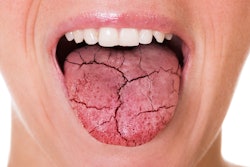
While halitosis is not an officially listed side effect of GLP-1 medications, clinicians are noticing a connection between the two. The root issue is drug-induced xerostomia, reduced salivary flow resulting from dehydration and altered salivary chemistry. Decreased saliva compromises the mouth's natural buffering and cleansing mechanisms, creating an environment ideal for odor-causing bacteria.
For dental hygienists and dentists, if a patient is taking a GLP-1, it could warrant a conversation. These patients may not realize the root cause of their bad breath and that gum and mints only mask odor, they do not address the underlying issue, nor do they counter the longer term effects of xerostomia, including caries and periodontal disease.
With GLP-1 prescriptions continuing to surge, dentists and hygienists can expect to see more patients affected with dry mouth. Proactive screening, patient education on how they can manage dry mouth, and more frequent preventive care intervals may all be warranted.
Bottom line: The sales spikes in chocolates and confections may be one dentists want to take note of. Patients are self-treating a symptom that deserves professional evaluation.