On Friday, March 13, the ADA Code Maintenance Committee will consider significant changes to coding for caries diagnosis and prevention. These proposed changes -- outlined by the ADA Council on Dental Benefits -- do not appear grounded in established science or scientific consensus.
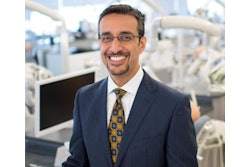
 Dr. Margaret Scarlett.
We urge the committee to pause and delay any action until a rigorous review of the science is completed. For decades, the ADA has relied on validated systems for diagnosing and staging caries, including the caries classification system, ICDAS/ICCMS, and CariesCare International (4D). These frameworks reflect global scientific agreement and should anchor future coding revisions.
Coding matters. It supports dentists' livelihoods, ensures accurate documentation, and protects patients. Although restorative dentistry is essential, nothing we create is as strong as natural, sound tooth structure. Coding reforms must therefore strengthen, not undermine, evidence-based prevention and medical management of caries.
Scientific alignment is even more critical now as medical-dental integration accelerates. The ADA has invested years in aligning SNODENT (the systematized nomenclature of dentistry) codes with SNOMED medical conventions to ensure seamless digital interoperability between dentists, specialists, and physicians. The rapidly expanding role of AI and augmented intelligence further depends on precise diagnostic terminology to support detection and measure prevention outcomes.
Let's pause. Patient diagnostic safety must be our guide. Any changes to coding should reflect an open, transparent, and accountable process built on validated science, accurate staging, and caries activity assessment. As dental professionals, we provide the scientific foundation that supports the business of dentistry, not the reverse.
Let's take the time to get this right. A pause now ensures that coding reforms advance accurate diagnosis, prevention, and the high standard of care our patients deserve.
Author's note: If you'd like to virtually attend the meeting, you can register here.
Dr. Margaret Scarlett is a dentist, futurist, population health expert, and co-founder and chief science officer of Dental Transformation Partners, a company focused on helping launch the next generation of innovations that will transform dentistry and ensure that oral health is recognized as a critical component of overall health by providers and patients alike. Scarlett is a member of the ADA Standards Committee on Artificial Intelligence in Dentistry and a contributor to the December 2022 ADA whitepaper "Overview of Artificial and Augmented Intelligence Uses in Dentistry." She transitioned to private practice after 23 years in the U.S. Public Health Service Commissioned Corps, the U.S. Centers for Disease Control and Prevention, and the U.S. Army. Her career focus has been on health and overall health outcomes through population health data for chronic and infectious diseases.
The comments and observations expressed herein do not necessarily reflect the opinions of DrBicuspid.com, nor should they be construed as an endorsement or admonishment of any particular idea, vendor, or organization.