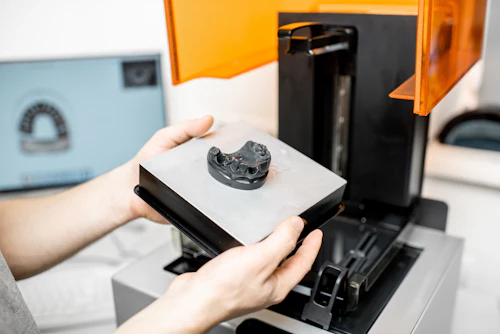
Same-day dentistry has long been synonymous with CAD/CAM milling. But Dr. Meena Barsoum wants dentists to expand that definition, because the economics of chairside 3D printing make a compelling case for a different approach.
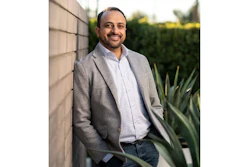
In this episode of The DrBicuspid.com Podcast series produced in partnership with SprintRay, Editor-in-Chief Kevin Henry sits down with Dr. Barsoum -- a practicing clinician in Chicago and SprintRay's global head of clinical strategy -- for a practical conversation about what chairside 3D printing actually looks like in a real practice, who it's for, and what the return on investment looks like compared to traditional digital dentistry entry points.
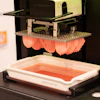
Barsoum describes a dental business environment where costs are rising in every direction -- labor, materials, overhead -- while reimbursements stay flat or decline. In that context, says Barsoum, technology that costs $15,000 and returns faster than a $150,000 milling machine deserves serious attention. The number he lands on: manufacturing an inlay or onlay chairside for under $10 using SprintRay's Midas platform. Just as striking, Barsoum delivered an eight-unit veneer case in a single visit, printing all eight veneers simultaneously in one print run.
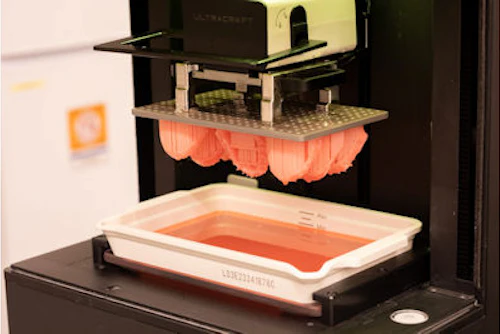
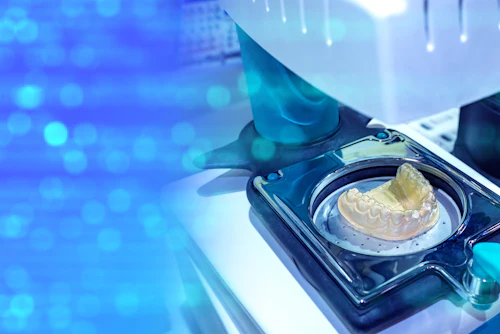
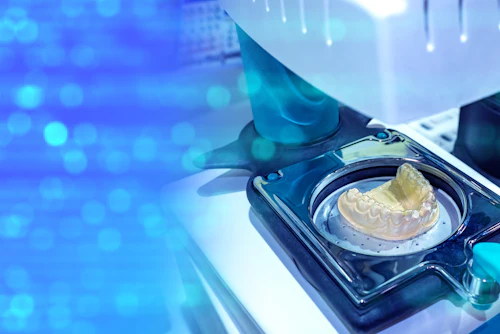
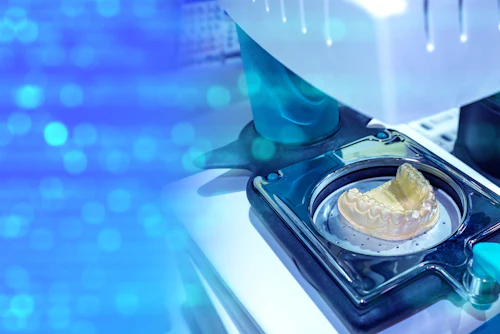
The Midas platform, he explains, is SprintRay's restorative digital press -- a compact system designed specifically for definitive restorations, including inlays, onlays, crowns, and veneers using highly filled ceramic materials. It sits alongside the SprintRay Pro Two platform, which handles night guards, retainers, dentures, and other removable prosthetics. Together, they cover the full spectrum of what a digitally enabled practice might produce chairside.
The conversation also covers team dynamics, a dimension of technology adoption that often goes undiscussed. Barsoum relates that he almost lost two key team members who felt stagnant. Introducing 3D printing workflows gave one of them, Sasha, an entirely new professional identity as the practice's digital technology specialist. The morning before this recording, Sasha texted Barsoum a photo of a full-arch hybrid the team had just printed, writing that she couldn't believe what they were capable of producing.
On the learning curve, Barsoum points to AI-powered one-click printing that automatically identifies the restoration type, builds nesting parameters, and prepares the file for printing, thereby removing most of the technical burden that historically made digital dentistry seem inaccessible.
The episode closes with a candid discussion of materials, specifically whether dentistry has over-relied on zirconia and what highly filled ceramics, like SprintRay's upcoming Restore material, offer as an alternative.
Listen to the full conversation below.