There is nothing unusual about a dental building with 50 practices competing for the same patients. What is unusual, however, is starting from scratch in one and not just surviving but building something worth referring to.
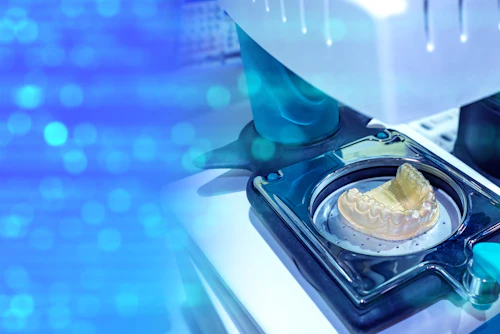
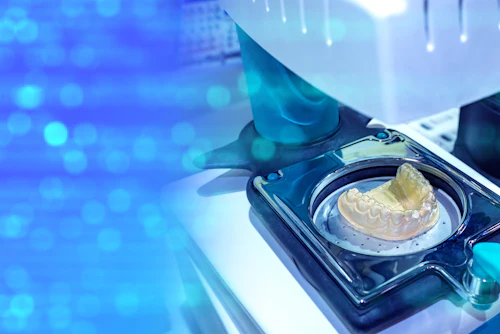
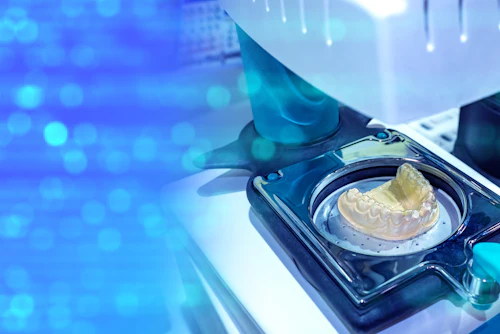
For Dr. Victor Khatchaturian, a general dentist in West Hollywood, CA, the differentiator was not a sharper marketing strategy. It was same-day dentistry, specifically, a willingness to start 3D printing in 2016 when most dentists had never heard of it.
In this episode of The DrBicuspid.com Podcast series produced in partnership with SprintRay, Editor-in-Chief Kevin Henry sits down with Khatchaturian -- an educator at Spear Education and faculty member at Manaie Education -- for a conversation about how materials and workflow have evolved together and why the case for minimally invasive dentistry is no longer a West Coast specialty argument.
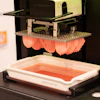
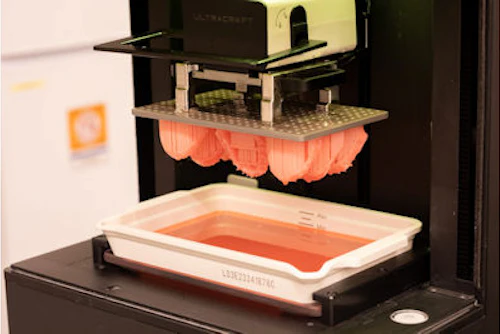
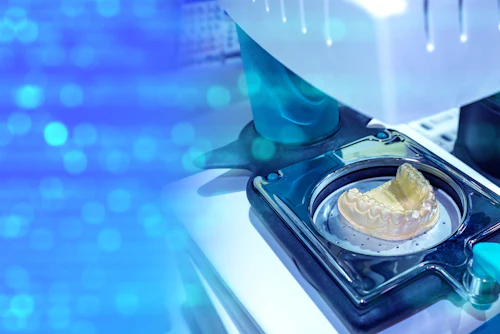
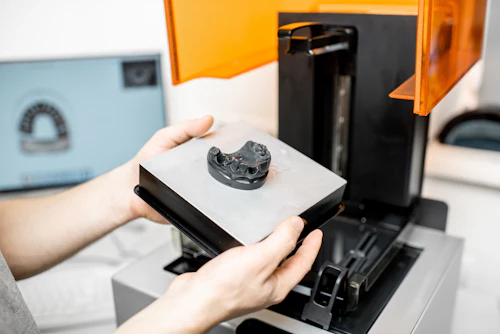
Khatchaturian is candid about the early days. In 2016, a 3D printer meant leaving the machine running overnight and arriving to see what it produced. It was not ready for clinical production. But the potential was visible, and the space constraints of his startup practice made the decision practical: No room for a traditional lab meant the workflow had to come chairside.
The technology eventually caught up with the vision, and the workflows that exist today -- scanner to printer to curing unit in a clinically useful time frame -- are what unlock the materials, not the other way around.
On biomaterials, his position is deliberate. His practice leans heavily toward minimally invasive dentistry, and the flexibility and natural toothlike behavior of 3D-printed restorative materials give him clinical options that zirconia does not. Khatchaturian is not anti-zirconia -- he uses it -- but is specific about when. For cases where conserving tooth structure is the priority, these materials lower the barrier of entry for procedures that patients previously could not access or could not justify.
The adoption question Khatchaturian hears most when lecturing is not about cost or training -- it's who on the team takes this on. His answer is direct: The workflow is designed to be run without adding head count. It is, as he puts it, color by numbers. And for practices struggling to keep team members engaged, he adds one more argument: The variety and ownership that come with running a digital workflow make the job more interesting for the people doing it.
Khatchaturian can be found on Instagram at @DrVictorDDS and through Spear Education. Links to earlier episodes in the SprintRay series are in the show notes and below under Related Stories.
Listen to the full conversation below.