Five years feels like plenty of runway. Most dentists I talk to treat it that way. The plan is to practice hard for four years, tidy things up in the fifth, then find a buyer.
Here is the problem with that plan: On a five-year timeline, the parts you cannot compress have already used up most of your runway. I spent years on the buy side before I moved to the sell side, and I have watched this math surprise practice owners again and again. So before you file “five years out” away as a someday problem, sit with a few questions.
How long does selling a dental practice actually take?
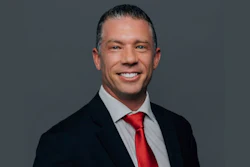
 Connor Jorgensen.
Longer than most owners expect.
Preparing a practice for market typically takes four to six weeks. That work means clean financials, production reports that hold up under scrutiny, and documentation for the personal and one-time expenses a buyer will credit back to your earnings.
The full process from preparation through diligence and close usually runs six to nine months. And if your buyer is a dental service organization (DSO), the agreement will almost always include an employment period of three to five years after closing.
Add it up. A dentist who wants to be fully done with dentistry in five years is not early. That dentist needs to be preparing for market right now. If your horizon is six years or more, you have something rare in this process: time to improve the practice before anyone evaluates it.
What story do your last three years tell?
Buyers do not pay for what your practice could do. They pay for what it has done, and recently.
They will study your trailing revenue, your earnings before interest, taxes, depreciation, and amortization (EBITDA), service mix, payer mix, patient counts, and your team. By the time you go to market, your last two to three years of numbers have largely set the range of offers you can expect.
Follow that backward. If you plan to sell in five years, the numbers a buyer will scrutinize start being written in Year 2. Decisions you make this quarter about fees, staffing, and capacity will show up on that page.
Can you keep your foot on the pedal through the process?
Here is the mistake I see most often: An owner mentally checks out and cuts production while actively talking with buyers. Once you sign a letter of intent, the buyer spends the diligence period confirming that your trends are holding. If production dips right then, confidence drops, and the valuation usually follows it down.
If part of your plan is working three clinical days a week, I understand completely. The timing of that decision matters as much as the decision itself. Make it early enough that the practice absorbs it or late enough that it lands after closing. The worst window is the middle.
Are you planning a transition or waiting for a reason?
The owners who leave the most money behind are the ones who sell reactively. A health event, burnout, a new competitor pulling patients from your practice, margins compressing year after year.
When one of those forces the decision, you settle instead of selling from a position of strength. Five years of runway exists precisely so you can fix what a buyer would discount: Stabilize the team, clean up the books, add the associate the growth requires.
Start with 3 honest answers
When do you want to be done treating patients, truly done? What do you need this sale to fund, financially and personally? And can the practice hold its trajectory without adding people, or is the next stage of growth beyond what you can produce alone?
You do not have to be ready to sell to get clear on where you stand. A practice valuation and a frank conversation about your timeline cost you very little and tell you a great deal. Whatever you decide, you want to decide it on your own schedule. That is the entire point of starting five years early.
Connor Jorgensen is a director at Tusk Practice Sales. He has more than a decade of dental industry experience, including territory management and directing strategic accounts at Patterson Dental and serving as the director of business development at Imagen Dental Partners, a national DSO.
The comments and observations expressed herein do not necessarily reflect the opinions of DrBicuspid.com, nor should they be construed as an endorsement or admonishment of any particular idea, vendor, or organization.