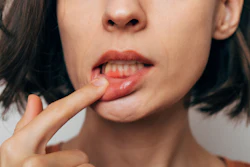
A patient returns after scaling and root planing (SRP). Biofilm control has improved, but several sites continue to bleed. One pocket remains deep and another still has suppuration. At that point, the question is no longer whether SRP was completed. The question is, what is the body telling us?
We cannot look into a periodontal pocket and identify every factor contributing to inflammation. We see the response, but we still have to consider biofilm, residual calculus, root anatomy, diabetes, tobacco exposure, medications, nutrition, gastrointestinal health, and the patient’s immune response. The answer is not always another round of the same treatment.
SRP creates an opportunity for healing
 Kelly Tanner, PhD, RDH.
SRP remains a foundational treatment for periodontitis. It disrupts subgingival biofilm and removes deposits that contribute to inflammation. However, SRP does not control every factor that influences how a patient heals.
The body still has to respond.
Success should not be measured only by completed quadrants. We should be looking for less bleeding, reduced inflammation, improved stability, and better daily biofilm control. When those changes do not occur, something else may require attention.
What about the 5-mm pocket?
Once a 5-mm pocket is confirmed with bleeding and bone loss, the patient has periodontitis. The protocol is SRP followed by periodontal maintenance, not a “regular cleaning” while we wait for the condition to worsen.
In my consulting work, I have visited practices where clinicians continue to watch these sites because they “know the patient.” They may say the pocket has been there for years or that the inflammation appears unchanged. At one time, that may have seemed like reasonable clinical judgment, but our understanding of inflammation and the microbiome has evolved.
A bleeding pocket represents an active inflammatory environment that does not exist separately from the rest of the body. Diabetes, tobacco use, medications, biofilm control, gut health, and previous disease progression may all influence healing and long-term stability.
These factors do not change the need for periodontal therapy, but they may affect expectations, maintenance intervals, and the need for collaboration with the patient’s physician or appropriately credentialed functional healthcare provider.
The entire team should communicate the same diagnosis and treatment protocol. Knowing the patient helps us personalize care, but familiarity should never become a reason to overlook active disease.
Maintenance is where we evaluate the response
Moving from SRP into periodontal maintenance allows us to monitor stability, reinforce biofilm control, and identify sites that remain active. A stable 5-mm pocket without bleeding is not the same as a 5-mm site that bleeds, suppurates, or continues to lose attachment.
Those findings should prompt us to ask why the area has not stabilized. The next step may include additional instrumentation, correction of a local factor, periodontal referral, or medical collaboration. Maintenance should not become a routine procedure that continues around active disease without investigating it.
We need to look beyond the mouth
When tissues do not stabilize, we often continue looking only inside the mouth. We reassess instrumentation, anatomy, restorations, and home care. Those factors matter, but persistent inflammation may also reflect broader health concerns. Poor glycemic control, tobacco exposure, medications, and chronic inflammatory conditions may influence healing.
A patient may say their diabetes is controlled because they take medication but may not know their recent HbA1c (a measure of long-term blood sugar control). That may be a reason to communicate with the patient’s physician rather than simply repeating periodontal treatment.
Gut health is also becoming part of the oral-systemic conversation. Emerging research suggests that oral and intestinal microbial communities and inflammatory pathways may influence one another. This does not mean every unresolved pocket is caused by gut dysbiosis, but gastrointestinal disease, recent antibiotic use, and significant digestive symptoms may deserve consideration.
What is the body telling us?
The question is not simply whether SRP works. The better question is whether we are paying attention to the patient’s response after treatment. An area that remains inflamed is not only a number on a periodontal chart. It is information.
SRP is not voodoo. But repeatedly treating a site without understanding why it remains active can begin to look that way. Sometimes the next step is to pause, listen to what the body is telling us, and coordinate care with the professionals managing the other parts of the patient’s health.
Kelly Tanner, PhD, RDH, is a contributing author to DrBicuspid, where she shares insights and strategies to empower dental hygienists in their careers. As a leader in clinical training, professional development, and team dynamics, Tanner provides resources to help hygienists elevate their practice and personal growth. For further support, join her free Facebook group, Next Level Dental Hygiene Career and Personal Development, and explore group training and on-demand courses at www.nextleveldentalhygiene.com.
The comments and observations expressed herein do not necessarily reflect the opinions of DrBicuspid.com, nor should they be construed as an endorsement or admonishment of any particular idea, vendor, or organization.