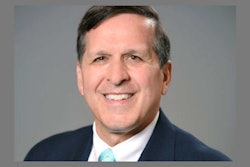
Dental office managers are some of the hardest-working people in a practice, yet most never receive formal management training. That's the sobering reality that practice management expert Dr. Roger Levin has addressed in his ongoing series with DrBicuspid.com. In this episode, he dives into one of the most fundamental skills every office manager should master: running an effective meeting.
In the video below, I spoke with Dr. Levin -- founder of the Levin Group and creator of the Office Manager Mastery Program -- to break down the 10 essential factors for running meetings that move a practice forward.
Levin opens with a striking reminder from earlier in this series: that 96% of dental office managers have no formal management education or background. The vast majority of these essential team members are being handed significant responsibilities without the tools to carry them out effectively.
His answer is reframing the office manager's role entirely: positioning them as the practice's chief operating officer and charging them with managing all nonclinical operations so dentists can focus on patient care.
Central to that vision is the meeting. As Levin puts it, "Meetings are to managers what a hammer is to a carpenter." He outlines the three types of meetings every practice should hold consistently:
- A 10-minute daily morning huddle focused entirely on the day ahead
- A monthly staff meeting with a structured agenda and time limits for each item
- An annual half-day or full-day strategic planning session attended by the dentist and office manager only
The morning meeting alone, when run properly, can eliminate up to 50% of the questions a dentist fields during the workday -- a statistic that underscores just how much untapped efficiency is sitting in plain sight for most practices.
Levin also tackles a common pain point: what to do when someone consistently shows up late and disrupts the meeting's momentum. His approach -- grounded in progressive discipline and positive confrontation -- offers office managers a compassionate but firm framework for addressing undesirable behavior.
If you missed the earlier episode in this series, you can listen to it here. This is a conversation every dental team member -- not just office managers -- will want to hear.