In February 2026, OpenAI started sharing what ads in ChatGPT will look like. They will not resemble banner ads, pop-ups, or a traditional Google results page. Instead, it will look like a standard ChatGPT response followed by a clearly labeled sponsored placement when relevant.
What ChatGPT ads will look like in early versions
OpenAI has been fairly specific about the initial format. Ads appear below the end of a response. They are clearly labeled and visually separated from the main answer. The user reads the response, then sees the sponsored unit below.
In early examples, these placements look more like simple listing cards than traditional ads. Think brand name, a “Sponsored” label, a featured item or set of items, and a clear next step. Just as important, OpenAI has stated that ads are separate from the answer itself. Advertisers cannot influence or appear in the response content.
How targeting will likely work, and why it differs from Google Ads
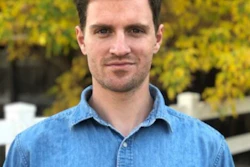
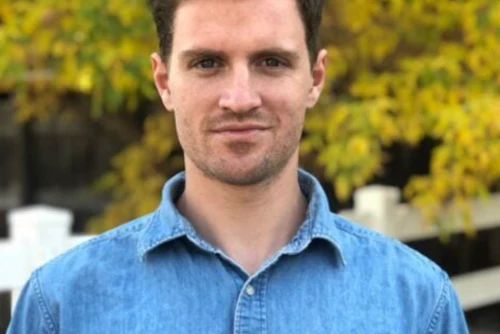
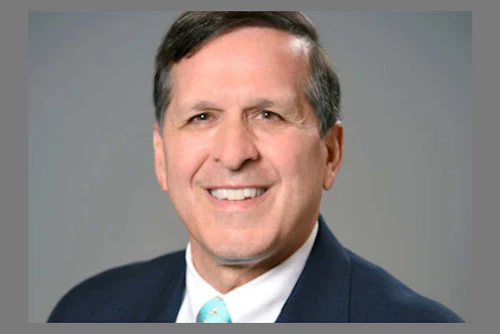
 Matthew McBride.
OpenAI indicates that ads are matched based on the content of the current conversation. If a user has personalization enabled, additional signals, such as past chats and prior interactions, may also be used. This is a fundamental shift from traditional search.
Google relies on short queries. ChatGPT relies on full conversations with context, intent, and constraints.
In dentistry, that context matters. Patients are not just searching for a “dentist near me.” They ask questions like:
- “I’m nervous, I need someone gentle.”
- “I just moved. Who’s a good family dentist that takes my insurance?”
- “My tooth is cracked. Do I need urgent care, and who can see me today?”
These are high-intent situations. A sponsored placement that aligns with that context, with a clear offer and easy next step, may perform very differently from a standard keyword ad.
The reality of health restrictions
OpenAI is placing strict limits on early ad placements. Ads do not appear near sensitive or regulated topics such as health, mental health, or politics. Advertisers in regulated industries, including healthcare, are excluded for now.
For dentists, the implication is straightforward. Dental ads may not be available in the initial phase. However, the direction is clear. OpenAI is building the system, testing formats, and signaling future expansion as safeguards evolve.
This is where positioning matters. Practices with the right setup in place will not scramble when healthcare categories are introduced.
Why this channel could matter for dental practices
When patients use ChatGPT, they are not casually browsing. They are trying to make decisions. They are comparing options and deciding what to do next.
OpenAI has also noted that conversational interfaces enable more interactive ad experiences. A user may see a sponsored option and immediately ask follow-up questions. A patient might ask:
- “Which dentists do same-day crowns?”
- “Do they accept Delta Dental PPO?”
- “Can I book online?”
- “Do they offer sedation?”
This is not just a click. It is closer to a consultation. In local healthcare, the winning practice is not the one with the most attention-grabbing ad. It is the one that feels credible, clear, and easy to book. That strategy aligns with broader AI-driven discovery trends. The practices that win are those that reduce friction and build trust quickly.
For dentists who want to be ready
At Great Dental Websites, we are approaching ChatGPT ads as the new front door, not just another traffic source for your dental website. The goal is simple. Turn AI-driven discovery into booked appointments. When this channel opens up for dentistry, success depends on more than running ads.
To compete, here's what you need:
- A clear offer aligned with patient intent
- A high-converting landing page built for action
- A tight intake process so leads do not drop off
Because early reporting may not reflect the depth of Google Ads, tracking becomes critical as well. Clean URLs, call tracking, intake questions, and lead quality reviews will be essential to understand performance. We are offering early access for dentists -- no commitment required.
Matthew McBride is the paid advertising manager at Great Dental Websites. His background spans large-budget search ads and local social media marketing.
The comments and observations expressed herein do not necessarily reflect the opinions of DrBicuspid.com, nor should they be construed as an endorsement or admonishment of any particular idea, vendor, or organization. Some content may be AI-generated.