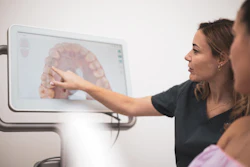
Dental professionals can pursue rewarding AI careers by translating their clinical expertise into roles like customer success, clinical training, implementation, and product development. Companies need clinicians to help develop practical, user-friendly technology, and dental professionals already possess valuable skills in patient education, problem-solving, and workflow management that transfer directly to tech roles.
- No coding required: Dental professionals can work in AI without technical backgrounds -- roles include clinical training, customer success, implementation, and product development.
- In-demand roles for clinicians: Documentation, periodontal charting, imaging, workflow automation, and clinical advisory positions actively seek dental professionals' input and expertise.
- Education matters, but degrees don't: Learning industry terminology (SaaS, CRM, large language models) and understanding dental workflows is more valuable than advanced degrees for most AI positions.
- 30-day action plan: Learn about AI roles, reposition your clinical experience on resumes and LinkedIn, and network with professionals already in the field to open doors.
I love a good career pivot story, don’t you?
Many dental professionals want greater flexibility, fresh challenges, or room to grow beyond clinical practice. But where can their experience take them?
Enter artificial intelligence (AI). As AI transforms dentistry, it’s also opening career paths that barely existed a few years ago. And clinicians may already have skills technology companies need, even if they don’t recognize their value outside the operatory.
Maria Jackson, MS, CRDH, knows firsthand. A hygienist turned AI consultant and founder of Dental AI Solutions, she now connects developers with the clinicians who use their technology. For this edition of Dental Duets, we discussed her pivot, the opportunities ahead, and how to get started.
Michael Ventriello: What prompted you to explore AI?
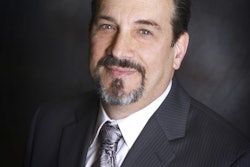
 Michael Ventriello.
Maria Jackson: It was a combination of things. I went through severe endometriosis, seven years of infertility, and in vitro fertilization. When I finally got pregnant, I developed carpal tunnel in both hands and needed surgery. I was also a new mom, constantly rushing to pick up my son. I never felt burned out professionally.
I loved being a hygienist, but I felt capped out. I wanted to keep growing. Then I realized I’d already been using AI and working with an AI company through my dental organization for four years. That’s when it clicked: I could use my clinical experience, gain flexibility, and keep growing until retirement.
What does your work look like today, and what does a clinician contribute to an AI company?
I wear several hats. I founded Dental AI Solutions and advise dental technology companies, bridging the gap between developers and clinicians.
For example, I work with companies developing language models and speech-to-text systems for documentation, periodontal charting, and AI scribes. A developer may build a system that recognizes speech, but does it understand pocket depths, bleeding points, or recession? Does it understand how hygienists actually communicate during appointments? I evaluate products in real workflows, identify gaps, and help teams make technology clinicians will actually adopt. I also support training, implementation, and product education.
Why was breaking into AI technology difficult?
I applied and interviewed but kept hearing that companies wanted technology or software as a service (SaaS) experience. I remember thinking, “How am I supposed to get that experience if nobody gives me the opportunity?”
When I examined customer success roles, I realized I’d already been doing much of that work: patient education, retention, relationship-building, problem-solving, and introducing technology into workflows. But my resume said “dental hygienist,” and employers didn’t see the connection.
What helped you get your foot in the door?
I pursued a master’s degree in artificial intelligence, and an AI company gave me an opportunity while I was finishing it. Here’s what I wish someone had told me: I didn’t need to start my entire career over. I needed to communicate the value of the experience I already had. Now I want to help other clinicians avoid feeling invisible because their job title doesn’t match the opening.
How should clinicians translate their chairside skills for hiring managers?
 Maria Jackson, MS, CRDH.
We underestimate ourselves. We’re educators, problem-solvers, and relationship-builders. But we describe our work in clinical rather than business terms.
Instead of saying, “I educate patients on periodontal disease,” explain that you educate customers about complex solutions, overcome objections, build trust, and support long-term retention.
The skills don’t disappear when you leave the operatory. You just have to speak about them differently.
What AI-related roles can dental professionals realistically pursue?
You don’t have to know how to code. Clinical education and training involve demonstrations, onboarding, and helping clinicians use products confidently.
Implementation means integrating technology into practice workflows. Customer success focuses on adoption, value, and retaining customers after the sale. Product development and clinical advisory involve testing workflows, identifying missing features, and explaining what clinicians need. There are also opportunities in sales, product support, and clinical data quality. I’ve worked across several of these areas, which is one reason I enjoy consulting.
Do clinicians need an advanced degree in AI?
No. My master’s was a huge financial and personal investment, and it helped me understand the technology, but you don’t need one to work for an AI company.
You do need to understand the industry. Learn terms such as SaaS, customer relationship management, large language models, speech-to-text, implementation, and ROI. Understand what products do, their limitations, and how they fit into dental workflows. In an interview, be ready to explain the company’s technology, its customers, and how your clinical experience can help.
How do you know whether you need a career change or a better clinical environment?
Not every unhappy dental professional needs to leave clinical dentistry. Maybe you’re tired of your office, schedule, management, or physical demands, not the profession itself. Ask what you want to change: your income, flexibility, health, or growth?
Remote work isn’t automatically easier. I appreciate the flexibility, but there are still meetings, deadlines, and performance expectations.
Compensation can also look different initially, even if long-term growth is promising. Consulting, part-time, or project work can help you explore technology without leaving chairside practice entirely.
How should applicants assess an AI employer, and where are the opportunities?
Just because a company has AI in its name doesn’t mean it’s a great employer. You’re interviewing the company too. Who’s behind it? Is it solving a real problem? Are clinicians involved? Are practices actually using the product?
I see potential in documentation, perio charting, imaging, and workflow automation. But even great technology means nothing if people don’t use it. That’s why implementation, customer success, clinical training, and product development will remain important.
Where can clinicians most influence whether dental AI is useful and trustworthy?
One mistake companies make is building technology without enough clinician input. AI perio charting might work technically, but is it practical? Can users easily correct mistakes? Does it interrupt the appointment? Those are questions people with clinical experience can answer. I’ve always said, just because something works doesn’t mean it’s practical.
What should a clinician considering a pivot do in the next 30 days?
It’s never too late. First, learn about the industry, its roles, and what employers seek. Second, reposition your clinical experience so hiring managers understand its value. Third, connect with people already working in the field; a knowledgeable coach can also help. Sometimes it’s not just what you know but who can help open that first door.
Tell us about your From Chairside to AI guide
I created it because it’s the resource I wish I’d had. It’s a digital guide and interactive workbook for dental professionals exploring careers beyond the operatory.
It covers AI terminology, career options, networking, resumes and LinkedIn, interviews, contract negotiation, and a 90-day action plan. My goal is to show clinicians that their experience has real value in technology. They don’t necessarily need another degree or coding skills; they need the tools to translate what they already know.
My conversation with Maria reinforced something I’ve long believed: Clinical experience can be a tremendous asset beyond the dental practice if you know how to communicate its value.
Pursuing AI doesn’t necessarily mean abandoning dentistry or starting over. And as these tools become part of everyday practice, who better to help make them useful than the clinicians who know the operatory firsthand?
If you’re considering a pivot, perhaps the question isn’t whether you’re qualified to make a change. It’s whether you’ve fully recognized the value of the qualifications you already have.
Michael Ventriello is widely regarded as the "Dental Product Launch Expert" and is the owner and founder of Ventriello Communications and the co-founder and chief communications officer of the Personify Group. Ventriello is an award-winning copywriter, a former journalist, broadcaster, and frequently published author and dental industry pundit. Connect with him on LinkedIn.
Maria Jackson, MS, CRDH, is founder and CEO of Dental AI Solutions. With more than 20 years in dentistry, including more than 15 as a hygienist, she advises dental AI companies on clinical strategy, training, and adoption and helps clinicians explore technology careers. Jackson can be reached at [email protected], or connect with her on LinkedIn.