Dental team bios are powerful marketing tools that help anxious patients build trust before their first appointment. While credentials establish qualifications, personal details and authentic stories about team members make them memorable and help patients decide whether they want to be treated by them.
- Prospective patients spend significant time on dental websites trying to answer the question "Who am I trusting with my care?" before scheduling an appointment.
- Personal details like hobbies and interests make team members memorable and create connection -- a hygienist who raises goats becomes relatable to patients with similar interests.
- Generic bios are easily replicated by AI and fail to differentiate your practice; specificity and authentic stories are much harder to make interchangeable.
- When patients perceive multiple practices as clinically qualified with similar services, they choose based on trust, likability, and respect for the people providing care.
- Effective dental bios should answer questions like why someone chose dentistry, what they love about patient care, and what patients might be surprised to learn about them.
One thing I learned over the 10 years I spent working in a dental practice is that people are more likely to do business with someone they feel they know and trust.
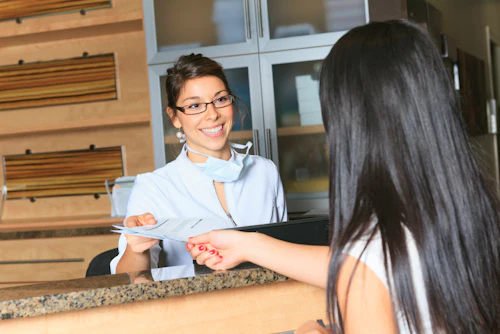
That's particularly important in dentistry. For many patients, making a dental appointment isn't a neutral transaction. For some, it takes a lot of emotional and mental gymnastics just to get there. Dental anxiety, shame or embarrassment about neglected oral health can make picking up the phone a monumental feat.
In fact, a 2026 systematic review and meta-analysis found that high dental anxiety affects a substantial proportion of adults.
Before an anxious patient ever picks up the phone or clicks "Request an appointment," they may spend considerable time on your website trying to answer a very human question: Who am I trusting to take care of me?
A thoughtful bio can begin answering that question before you've ever met.
Credentials matter, of course. Your education tells prospective patients whether you're qualified to treat them. The rest of your bio helps them decide whether they want you to treat them.
Patients choose people, not just practices
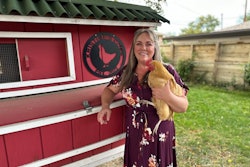
 Kristine Grey.
I've now spent more than two decades in dentistry, first inside a dental practice and then in dental marketing. One thing hasn't changed -- relationships matter.
What has changed is how much opportunity patients have to evaluate those relationships before walking through your door. They can read your reviews, look at your photos, find you on social media, and compare your website with five other practices in the time it takes to finish a cup of coffee.
When we gather information for team bios at Great Dental Websites, we don't just ask where someone went to school and how long they've been in practice. We ask why they chose dentistry. We ask what they love about working with patients. We ask about hobbies, interests, unusual activities, and things patients might be surprised to learn. We want to hear what lights you up about dentistry. We're dental nerds too.
Why do we ask so many questions? Because those details often make someone memorable.
Maybe your hygienist raises goats. Maybe your dentist coaches youth hockey. Maybe your treatment coordinator restores old furniture or makes an alarmingly good sourdough loaf. Those details may seem irrelevant to dentistry. They're not irrelevant to connection.
A prospective patient who also raises goats has suddenly found her hygienist. A nervous parent discovers that the dentist has three kids and understands what it's like to bring a reluctant 6-year-old to an appointment. A patient considering cosmetic dentistry learns that the dentist became interested in the field after experiencing firsthand what a new smile can do for someone's confidence.
Now we have something more powerful than a list of credentials. We have recognition. And for the patient who is already nervous, that familiarity matters. A bio can't eliminate dental anxiety, but knowing something about the person they're about to meet can reduce uncertainty.
Trust matters when money is tight too
There's another reason the human side of your practice matters right now: Patients are paying attention to where their money goes.
Dental care has always required patients to weigh the cost, need, insurance coverage, and value. When household budgets are tighter, those decisions become even more deliberate, especially for treatment patients can postpone or shop around for.
If several practices appear clinically qualified and offer similar services, why does someone choose one over another? Sometimes it's convenience. Sometimes it's price. Sometimes it's a referral or a great review. And sometimes they simply like and respect the people they're considering doing business with.
That doesn't mean your bio should become a sales pitch. It should help prospective patients understand who you are, how you approach their care, and what matters to you. Professional doesn't have to mean impersonal.
The problem with the generic dental bio
After years of writing dental content, I can tell you that most practices give us some variation of the same information: The dentist wanted to help people. The hygienist loves educating patients. The dental assistant enjoys making patients comfortable. Everyone enjoys spending time with friends and family. All are probably true. None, though, are particularly memorable.
And now that generative AI can produce a polished professional biography in seconds, generic professionalism is easier to create than ever. That's precisely why specificity matters more.
AI can tell patients you're "passionate about providing compassionate, patient-centered care." It can't tell them why you still remember the first terrified patient who finally let you complete an exam, that your dental assistant keeps chickens, or that your hygienist plays roller derby -- unless you tell it. Those are your stories, and stories are much harder to make interchangeable.
Ask better questions to get better bios
If your team's bios sound generic, the problem may not be the writing. It may be the questions you're asking.
"Tell me about yourself" invites you to stare blankly at a form. Instead, try asking:
- Why did you choose dentistry?
- What do you genuinely love about working with patients?
- What have your patients taught you?
- What part of your work is most meaningful to you?
- What do you wish nervous patients knew before meeting you?
- What do you love doing when you're nowhere near the dental office?
- What's something about you that patients might never guess?
And don't overlook the odd little details. Those are often the best ones.
Of course, a bio should establish professional credibility. Include education, advanced training, professional memberships, areas of clinical interest, and experience where they're meaningful. Then give the reader a person to remember.
Your About page has a job to do
Dental practices spend considerable money getting prospective patients to their websites. Don't stop marketing once they get there.
Your team bios aren't obligatory website furniture. They're part of the patient's decision-making experience. A prospective patient may already know you offer implants, you're accepting new patients, and you're five minutes from their house. Now they're deciding whether they can trust you.
Tell them what you care about, why you chose this work, and what patients can expect from you. Let your team be individuals, not a row of headshots with interchangeable paragraphs.
Because long before patients trust you with their teeth, their fear or their money, they're deciding whether they trust the person behind the credentials. A good bio gives them the chance to meet that person early.
Kristine Grey has been with Great Dental Websites (GDW) for more than 13 years and serves as the senior content and copywriting manager. She is from a dental family and managed her family's West Denver dental practice before joining GDW. Grey lives in Wheat Ridge, CO, on her mini cut-flower farm with her two dogs, two honeybee colonies, and six hens.
The comments and observations expressed herein do not necessarily reflect the opinions of DrBicuspid.com, nor should they be construed as an endorsement or admonishment of any particular idea, vendor, or organization.