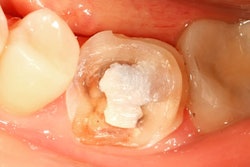
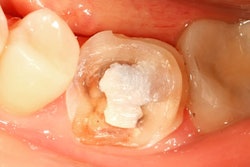
Bulk-fill composite resins appear to be effective options for direct restorations compared with the conventional incremental layering technique, according to a review recently published in the Journal of Dentistry.
However, the long-term success of restorations may depend more on the adhesive procedure than the material itself, the authors wrote.
“Bulk-fill composite resins are predictable and effective materials for direct restorations, providing a simplified and reliable alternative to the traditional incremental layering technique,” wrote the authors, led by Ana Paula Caracas-de-Araújo of the University of Fortaleza in Brazil (J Dent, February 5, 2026, Vol. 167, 106557).
To assess bulk-fill composite resins, including clinical evidence on their applications, benefits, and limitations in restorative dentistry, researchers conducted a comprehensive electronic database search in February 2025, with an update in November 2025, they wrote.
Eligibility criteria focused on capturing the strongest clinical evidence on bulk-fill restorative systems. Prioritizing longitudinal clinical studies, particularly prospective trials, the search identified 1,806 records. Ultimately, 65 studies were included in the review and were analyzed through descriptive synthesis and thematic analysis.
Bulk-fill resins were found to be a time-efficient alternative to incremental layering, with comparable survival rates. Most included studies reported high survival and success rates, generally above 95%, at follow-ups across various study designs. Over time, both bulk-fill and conventional or nanohybrid composites showed gradual declines in marginal adaptation, staining, gloss, and surface texture, they wrote.
In pediatric settings, bulk-fill resins were well accepted by children and caregivers, largely due to shorter chair time compared to conventional techniques and atraumatic restorative treatment. Overall, bulk-fill composites were found to be a safe, effective option for direct restorations, but long-term outcomes depended on the adhesive strategy and clinical technique, particularly with total-etch systems showing less marginal discoloration than self-etch approaches.
The review, however, had limitations. Most evidence focused on short- to medium-term outcomes, limiting conclusions about the long-term durability of these restorations, the authors noted.
“Ultimately, these findings inform evidence based therapeutic decisions and identify specific areas for future research, supporting the integration of bulk fill materials in clinical restorative dentistry,” they concluded.