After more than 30 years in dentistry, I’ve come to expect the unexpected. I’ve helped dental practices through economic downturns, staffing shortages, insurance changes, practice acquisitions, startups, and just about every operational challenge imaginable. But I can honestly say I’ve never seen anything quite like what I’m seeing today when it comes to managing people.
Every week, I receive phone calls from dentists and office managers who are convinced they have the worst team. One practice is battling chronic attendance issues. Another has an employee who refuses to complete basic office responsibilities because it’s “not my job.”
I’ve witnessed team members wearing AirPods during coaching meetings, employees falling asleep during team meetings, and individuals looking a doctor in the eye after being given a non-negotiable expectation and simply saying, “I’m not going to do that.”
These aren’t isolated incidents. They are becoming surprisingly common conversations. If you’re a practice owner reading this and wondering, "What happened?" you’re not alone.
Every practice thinks they’re the only one
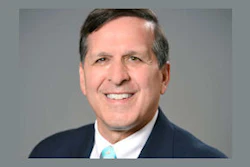
 Michelle Affanato.
One advantage of consulting nationally is that I see patterns.
The stories come from pediatric practices, general practices, specialists, rural communities, and major metropolitan areas. Different states. Different practice sizes. Different demographics.
The details change. The underlying challenges do not.
Doctors tell me they feel like they’re spending more time managing behavior than managing a business. Instead of discussing scheduling efficiency, patient experience, or profitability, they’re coaching adults on professionalism, accountability, communication, and basic workplace expectations.
The shift is exhausting. It’s also causing many practice owners to question themselves.
“Am I expecting too much?”
“Is this how people work now?”
“Should I be grateful someone showed up today?”
These are questions I rarely heard 10 years ago. Today, I hear them almost weekly.
It’s not just a hiring problem
It’s tempting to conclude that “people just don’t want to work anymore.” I don’t believe that’s the whole story.
There are still exceptional employees in dentistry. I meet them every day. They’re dependable, engaged, accountable, and genuinely committed to their patients and teammates.
The challenge is that the workplace changed. The pandemic reshaped expectations around work. Labor shortages shifted the balance of power. Practices became understandably hesitant to lose employees because replacing them became increasingly difficult.
In many offices, standards slowly eroded, not because leaders wanted them to, but because they felt they had no choice. Conversations that once would have happened immediately were delayed. Policies that once were consistently enforced became negotiable. Behaviors that would have been corrected quickly were tolerated far longer than they should have been. Over time, those small compromises became the culture.
Culture isn’t what’s written in your handbook
One of the most important lessons I’ve learned is this: Culture isn’t what you write in your handbook. Culture is what your team experiences every day.
If attendance policies exist but aren’t enforced, that’s the culture. If disrespectful communication is ignored because you’re afraid the employee might quit, that’s the culture. If one employee consistently refuses responsibilities without consequences, the rest of the team notices.
Employees are consistently learning what is truly expected, not from written policies, but from leadership’s actions. Every culture is perfectly designed to produce the behavior it tolerates. That’s a difficult truth for many leaders because it requires us to look inward before we look outward.
Leadership has become more complex
Many dentists entered ownership because they wanted to provide excellent clinical care and build successful practices. Few expected to become full-time coaches, conflict managers, and culture builders.
Yet that’s exactly what modern leadership requires. Technical excellence is no longer enough.
Today’s practice owners must communicate expectations clearly, provide feedback, document performance consistently, and address problems early.
Those aren’t “soft skills.” They’re business skills. Ignoring them comes with a significant financial cost: turnover, low morale, inconsistent patient experiences, and leadership burnout.
What can practice owners do?
While there isn’t a quick fix, several strategies consistently separate thriving practices from struggling ones.
- First, define professionalism clearly. Never assume everyone shares the same definition of accountability, communication, or teamwork. Spell out expectations from Day 1.
- Second, address issues early. Small problems rarely stay small. Delaying difficult conversations almost always makes them more difficult later.
- Third, document consistently. Coaching conversations should never come as a surprise during a performance review. Documentation creates clarity, fairness, and accountability for everyone involved.
- Fourth, hire for character as much as competence. Technical skills can often be taught. Professionalism, humility, and personal responsibility are much harder to develop after the fact.
- Finally, don’t lower your standards out of fear. Yes, hiring is challenging. Yes, replacing employees can be expensive. But consistently tolerating behaviors that undermine your culture carries an even greater long-term cost.
The Wild West doesn’t have to stay wild
It’s easy to become discouraged when you hear story after story about difficult employee situations. But I remain optimistic.
Why? Because I’ve seen practices build extraordinary cultures despite today’s challenges. Those practices don’t necessarily have perfect employees. They have consistent leaders. Leaders who communicate clearly. Leaders who coach instead of avoid difficult conversations. Leaders who hold everyone -- including themselves -- to the same standards.
Most importantly, they understand is something you intentionally create. The reality is that managing people today looks different than it did 20 years ago.
That doesn’t mean great teams no longer exist. It simply means building one requires greater intentionality, stronger communication, and a renewed commitment to accountability.
Have you noticed a significant change in workplace professionalism? More importantly, what are strategies that helped your practice maintain a culture of accountability while still attracting and retaining great people? This is a conversation our profession needs to have.
Michelle Affanato is the founder of Affinity Management Consulting. She partners with dental practices across the U.S. to strengthen leadership, systems, and team culture through customized consulting, training programs, and onboarding resources.
The comments and observations expressed herein do not necessarily reflect the opinions of DrBicuspid.com, nor should they be construed as an endorsement or admonishment of any particular idea, vendor, or organization.