Integrating dental screenings and scheduling into prenatal care visits significantly increases the likelihood that pregnant women, especially from vulnerable populations, will receive dental treatment. This coordinated approach is cost-effective and safe, protecting both maternal and fetal health by reducing risks of preterm birth and low birth weight while breaking cycles of poor oral health across generations.
- Women who had dental appointments scheduled at prenatal visits were 2.6 times more likely to follow through with dental care compared to those without immediate scheduling.
- Integrating oral health screening into prenatal care is economically feasible and does not require hiring additional staff.
- Optimal oral health during pregnancy reduces risks of preterm birth and low birth weight for babies.
- In a Rutgers and NYU study, 44% of referred pregnant women with Medicaid coverage completed dental appointments when referred through coordinated prenatal care.
- Bilingual navigators and immediate appointment scheduling were key strategies for increasing dental care utilization among diverse, multilingual populations.
Scheduling a dental appointment during a woman’s prenatal visits increased the odds that women, particularly women from vulnerable population groups, would later visit a dentist during pregnancy.
Moreover, integrating oral healthcare into regular prenatal wellness visits was feasible -- both economically and without the need to hire additional staff -- reported an August 13 Rutgers Health article.
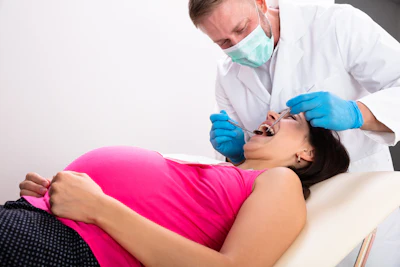
Optimal oral health throughout pregnancy is not only important for the mom-to-be but also for the baby, including a reduced risk of preterm birth and low birth weight. Hormonal changes during pregnancy can cause gingivitis and gingival bleeding, and altered diets may contribute to cavities.
Lingering confusion, too, about dental care during pregnancy (including exposure to x-rays and anesthesia) can sway some women from getting treatment despite evidence and statements from organizations like the American College of Obstetricians and Gynecologists and the ADA that preventive and restorative treatments are safe.
In a study led by Rutgers Associate Professor Dr. Stefanie Russell, PhD, MPH, of the university’s school of public health and who is also an adjunct professor at the New York University (NYU) College of Dentistry, researchers and clinicians at NYU Dentistry partnered with NYC Health + Hospitals/Bellevue to create the New York University/Bellevue Prenatal Oral Health Program.
Within the program, women who presented for their weekly visits at the Bellevue prenatal clinic underwent screenings to assess their oral health. Those who needed dental care were referred to the NYU College of Dentistry. The women were also educated about the importance of maintaining good oral health during pregnancy and that Medicaid covered dental care.
From 2018 to 2020, 420 women with Medicaid coverage were referred to NYU Dentistry, the study reported. Most of the women were Hispanic and roughly half spoke Spanish as their primary language. Dental referrals, the researchers said, were either immediately scheduled before the patient left the clinic or through a bilingual professional -- a navigator -- who provided education to the patients and followed up to remind them of appointments.
Almost half -- 44% -- of the women who were referred to NYU Dentistry followed through with a dental appointment. While both immediate scheduling and providing a navigator increased the chances that the women sought treatment, those who had appointments scheduled at their prenatal visit were 2.6 times more likely to see a clinician than those without appointments scheduled.
“This suggests that immediately scheduled dental appointments can be an effective way to increase dental care utilization during pregnancy, without needing to hire extra staff,” said Shulamite Huang, an assistant professor of epidemiology and health promotion at NYU College of Dentistry and an author of the study, in the Rutgers Health article.
Russell and researchers will continue their research to measure whether this type of care improves oral health outcomes and how dental screenings can be successfully incorporated into prenatal care in other settings.
“Working with prenatal care teams is key for addressing some of the barriers to dental care during pregnancy,” Russell said in the article. “Oral health care during pregnancy can break the cycle of poor oral health that persists generation after generation within families, which is why updating provider education and expanding community awareness is so critical.”