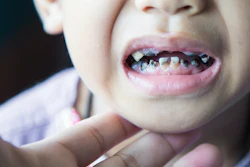
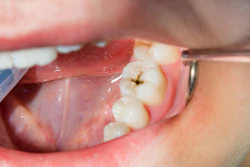
A large U.S. study of over 44,000 children found that those exposed to four or more adverse childhood experiences had significantly higher rates of tooth decay compared to children with less adversity exposure, suggesting that childhood trauma and household dysfunction negatively impact oral health outcomes in children and adolescents.
- Children exposed to four or more adverse childhood experiences had 60% greater odds of experiencing tooth decay than those with fewer adverse experiences.
- The study analyzed data from 44,489 children ages 6 to 17 using the 2022-2023 National Survey of Children's Health.
- Cumulative adversity exposure was not linked to reduced preventive dental care visits, suggesting other socioeconomic factors influence dental care access.
- Adverse childhood experiences include household dysfunction, abuse, and other traumatic events that impact overall child health.
Household dysfunction, abuse, and other adverse childhood experiences may put kids and adolescents at greater risk of developing tooth decay, according to a large U.S. study published on September 29 in the Journal of Public Health Dentistry.
However, cumulative adverse childhood experience exposure may not be linked to visiting the dentist for preventive care, the authors wrote.
“Childhood adversity is associated with poorer oral health status, while preventive dental care utilization may be influenced by broader socioeconomic and contextual factors,” wrote the authors, led by Elizabeth Crouch of the University of South Carolina Rural Health Research Center in Columbia.
To assess the correlation between cumulative adverse childhood experiences and oral health outcomes among children and adolescents in the U.S., with a specific focus on preventive dental treatment receipt and caregiver-reported tooth decay, a cross-sectional study was conducted.
Data from the 2022-2023 National Survey of Children's Health that included 44,489 children ages 6 to 17 were used for the study. Multivariable logistic regression models estimated correlations between cumulative childhood adversity exposure and receiving a preventive dental visit in the past year. Parent-reported tooth decay was estimated using multivariable logistic regression models. Models were adjusted for several factors, including sociodemographic, household, and health-related factors such as language, income, and insurance type, according to the study.
Compared to children who experienced four or fewer incidents of childhood adversity, kids exposed to four or more adverse childhood experiences had much greater odds of experiencing tooth decay (adjusted odds ratio [aOR], 1.60; 95% confidence interval [CI], 1.33 to 1.94), the authors wrote.
After adjusting for factors, including age, race, and primary language, cumulative adverse event exposure was not linked to reduced preventive dental care. Additionally, children with high exposure to childhood adversity continued to show disproportionate oral health burdens, they wrote.
Nevertheless, the study was not without shortcomings. The lack of thorough data concerning dental insurance or service use limited researchers’ ability to completely account for confounding or moderating factors, the authors wrote.
In the future, longitudinal studies should identify temporal relationships and offer a better understanding of the pathways linking adverse childhood experiences to dental health, they wrote.
“Together, these findings suggest that children exposed to adversity experience a greater burden of dental disease, while differences in preventive dental care utilization appear to be explained by other demographic, socioeconomic, and household characteristics,” Crouch and colleagues wrote.