If you haven’t seen the clip yet, you will, and so will your patients.
During the Miss Grand Thailand 2026 preliminary round on March 25, 18-year-old contestant Kamolwan Chanago was halfway through her introduction when her removable dental covering came loose on live television. She turned, composed herself, popped it back in, and walked the runway as if nothing had happened. The internet loved it. The video has since racked up millions of views.
But while the media is calling them “veneers,” the clinical picture is more nuanced, and the conversation is worth having with some of your patients.
What actually happened
 Dr. Piotr Irving.
According to Chanago, the issue started before the pageant. She chipped a veneer, reportedly while eating French fries. To restore her smile in time for the competition, she was fitted with a snap-on smile as a temporary solution. It was that snap-on covering -- not a bonded veneer -- that came loose.
This distinction matters, and it’s likely the first thing you’ll need to clarify to your patients.
The snap-on smile: A useful tool with limits
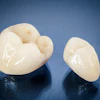
A snap-on smile is a removable covering that fits over the teeth. When circumstances allow, I use it in practice as a preview. Patients can see what their smile could look like before any work begins. But because it sits on top of the existing teeth, it can make them appear bulkier. For patients who are already concerned that their teeth look too big, it’s not the right tool.
In my office, the snap-on serves a specific purpose: The patient sees the preview, we discuss it, and I remove it before they leave. In Chanago’s case, it appears the decision was made that wearing it through the pageant was worth the risk. The snap-on didn’t survive the night, but given that the moment made her the most talked-about contestant in the competition, you could argue it worked out.
The concept of the snap-on smile has been co-opted by companies now shipping cheap plastic coverings directly to consumers -- essentially a white shell that clips over the teeth. But it raises broader concerns.
The problem is that teeth aren’t there to look good, they’re used to speak and chew. A poorly designed covering introduces uncontrolled forces, and when those forces meet thin plastic, something has to give. At best, the plastic cracks. At worst, it takes the tooth with it.
What about the chipped veneer?
Looking at screenshots from the Miss Grand Thailand broadcast, Chanago’s left central incisor appears noticeably shorter than the right, consistent with a chipped veneer. This is presumably why the snap-on prosthesis was placed, to mask the chip for the stage.
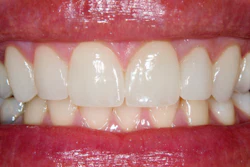
This is where we can reassure patients. Veneers coming off is a concern I hear often before smile makeovers, and it’s one of the more common emergency calls -- a patient's veneer has popped off and needs to be recemented. But when bonding protocols are followed correctly, the veneer and the tooth become integrated, functioning as one unit. That’s fundamentally different from a snap-on, which sits passively on the tooth surface. Properly bonded restorations don’t simply fall off.
Chipping, though, is a different story. It happens when excessive forces hit the restoration: biting into something hard, using teeth to hold objects, or sometimes just an unlucky piece of bread. Even when it happens, I’d rather it be my material that breaks than the tooth underneath. Think of it like a car crash: You’d rather the hood crumple than the passengers get hurt.
The bigger picture: Maintenance matters
This is perhaps the most important takeaway for patients. Teeth have to function within the bite, not just look good in a photo. Restorations must be calibrated to the occlusion for long-term survival. Veneers are not a set-it-and-forget-it procedure. Regular follow-up allows us to monitor for wear, catch early signs of stress, and intervene before a small issue becomes a viral moment.
Talking points for the chair
Your patients are going to bring this viral video up in their conversations with you. Here are the key points to have ready:
- “That wasn’t actually a veneer falling off.” What viewers saw was a removable snap-on smile, not a bonded restoration. Properly cemented veneers don’t just pop out.
- “Bonded veneers are strong.” Modern adhesive protocols integrate the veneer with the tooth structure. The bond is excellent when the right technique and materials are used.
- “Chipping can happen, but it’s manageable.” Like any restoration, veneers can chip under extreme force. That’s why we calibrate to the bite and why follow-up appointments matter.
- “Maintenance is part of the deal.” Veneers need ongoing care. Regular checkups let us catch small issues before they become big ones.
Dr. Piotr “Peter” Irving is an aesthetic dentist and chief fellow at the Apa Aesthetic Suite at New York University. Educated at King’s College London, Irving specializes in interdisciplinary smile design for predictable, natural results. His approach blends precision planning, photography, and conservative care to deliver smiles that look great and last.
The comments and observations expressed herein do not necessarily reflect the opinions of DrBicuspid.com, nor should they be construed as an endorsement or admonishment of any particular idea, vendor, or organization.