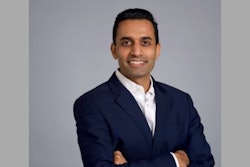
Dr. Sundeep Rawal explains that while AI can create beautiful smile mockups, dentists must view these as starting points and design smiles with proper function and aesthetics. The future of smile design involves digital workflows, 3D printing mock-ups, and a complete architectural approach that ensures smiles look, feel, and function like natural teeth.
- AI smile design has existed for over 10 years, but it's just the beginning -- the real innovation is in-office 3D printing that produces mockups in 10-20 minutes.
- Dr. Rawal emphasizes smiles must look like teeth, feel like teeth, and function like teeth.
- Digital workflows now carry smile design from initial mockup through prototypes, implants, and final restoration, democratizing smile design across dental practices.
AI can paint a beautiful picture of a smile, says Dr. Sundeep Rawal, but a picture is not a plan.
In this episode of The DrBicuspid.com Podcast, host Kevin Henry talks smile design with Rawal, a prosthodontist and the senior vice president of implant support at Aspen Dental, about how technology is changing the way smiles are designed and what dentists should prepare for in 2027.
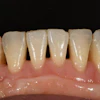
Rawal says his prosthodontic residency taught him to look at function as well as aesthetics and to design smiles that “look like teeth, feel like teeth, and function like teeth.”
He remembers waxing up stone models and building matrices for mock-ups, which worked but were too cumbersome to standardize. Today, however, technology has democratized smile design, and a complete digital workflow can carry a design from the patient’s first look through prototypes, implants, and the final restoration.
Patients now arrive with AI-generated mockups, and Rawal sees that as a starting point. Across Aspen’s roughly 1,100 offices and more than 100 ClearChoice centers, patients can design a smile on the website through a tool called First Look Smile Preview.
But an AI image, he cautions, is like a portrait of a house. The clinician needs the architectural plans, the plumbing, electrical, and foundation so the result looks right and works.
For patients who will lose their remaining teeth, a full-arch implant can be easier than cases involving natural teeth, because the clinician has a blank canvas and fewer constraints. These cases remain complex, he stresses, and can involve bone augmentation, sinus lifts, pterygoid or zygomatic implants, and decisions about the prosthetic design.
When should a general dentist refer a patient to a specialist? Rawal says it is a deeply personal decision, depending on the clinician's knowledge, skill, comfort level, and relationships with specialists.
Looking ahead, Rawal notes that AI smile design software has been around for more than 10 years. What excites him more is in-office 3D printing.
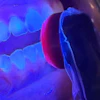
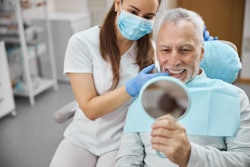
Clinicians can print a mockup in 10 to 20 minutes, place it in the patient’s mouth, and let the patient try it for a couple of days. Further, Rawal says, there are several design options available with in-office mock-ups, such as bigger or more rounded teeth. The goal, he says, is a smile that is “perfectly imperfect” for that patient. Aspen, he says, has printers in every office.
Connect with Rawal on LinkedIn or learn more about him at aspendental.com and clearchoice.com.
Listen to the full conversation below.